
Calibrating Continuous Compliance Audits Across Internal Workflows
Continuous compliance audits succeed when unstated regulatory expectations are converted into machine-readable pipeline assertions that halt execution immediately.

Trigger
Internal workflows decay into adversarial stalemates when compliance operates as a retrospective surprise. An engineering team finishes a sprint, a finance department processes quarterly payments, or an operations unit reconfigures cloud infrastructure, only for an external inspection team to arrive weeks later with an itemised tally of discrepancies. This periodic model relies on an unstated agreement: operators assume their daily patterns carry passive approval right up to the hour an audit team issues a formal deficiency notice.
The transition to continuous compliance audits replaces retrospective discovery with event-driven evaluation. Instead of sampling historical batches every six months, monitoring systems bind assertions directly to pipeline transitions. Every code commit, vendor payment authorization, or identity access request functions as an evaluation point.
Silence resolves nothing.
A compliance assertion stated once in machine-readable code eliminates the covert expectation of retrospective remediation.
When an internal workflow operates without continuous automated controls, compliance debt accumulates quietly. Operators optimize for task completion, assuming undocumented allowances will pass scrutiny during future discussions. The audit team, conversely, holds an unstated expectation that delivery units will independently verify administrative controls against regulatory standards without explicit prompting.
This friction surfaces during remediation cycles, consuming executive capacity and degrading operational velocity.
Automated Assertion Logic
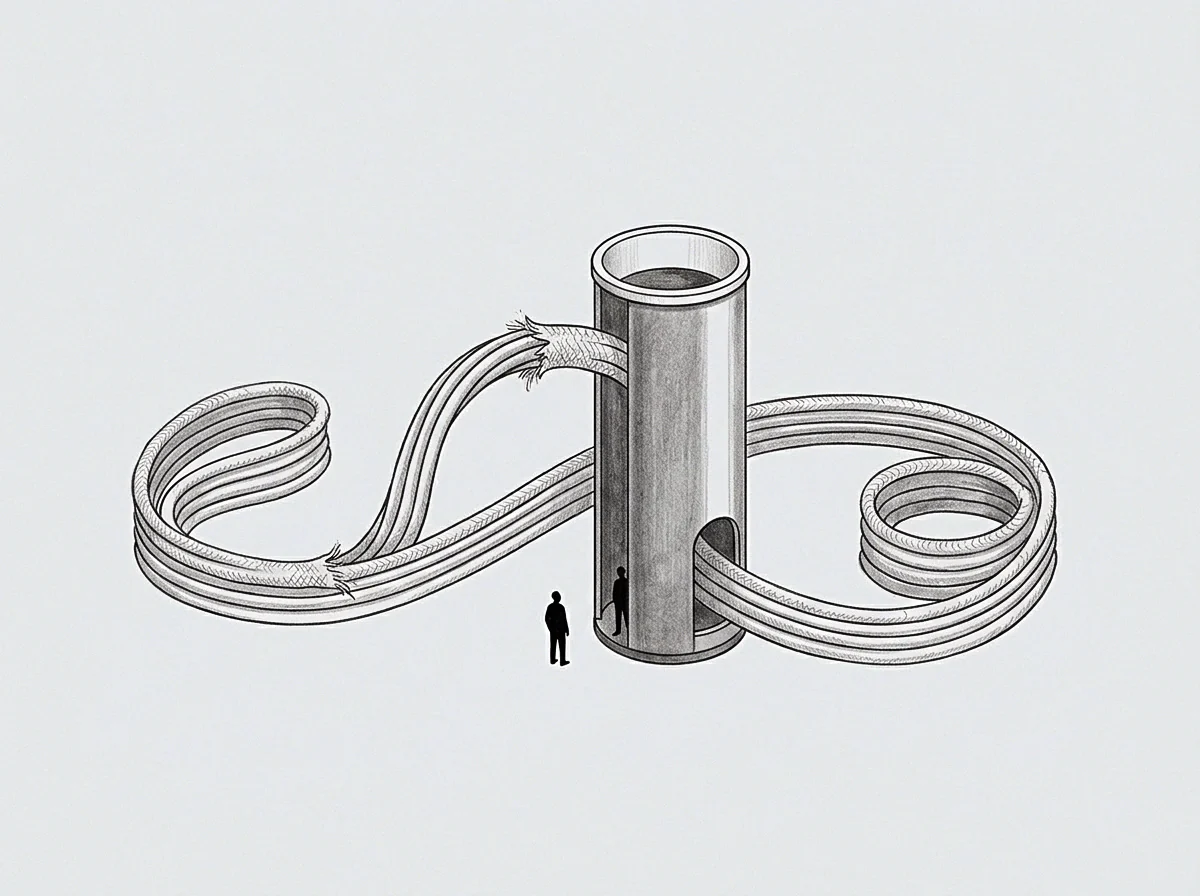
Event subscriptions convert passive internal policies into active controls. When a developer pushes infrastructure modifications, the pull request triggers deterministic static analysis checks against policy definitions before merge rights unlock. When an accounts payable clerk routes an invoice exceeding standard clearance limits, the payroll software initiates dual authorization rules before funds transfer.
Inspection requires immediate telemetry. The pipeline evaluates the state of the system at the exact juncture of state mutation. Verification occurs inside the transaction boundary.
A stated protocol defines the exact condition under which execution halts: any code merge lacking cryptographic provenance tags fails instantly, rejecting deployment until an authorized key signs the change artifact.

Wire
Physical connections between source systems and telemetry pipelines form the backbone of continuous audit systems. Without direct integration into operational tooling, compliance assertions remain theoretical declarations inside an intranet directory. Direct event buses, database change streams, and runtime API hooks capture evidence at generation, bypassing human intermediaries who might otherwise redact or sanitize data.
Manual evidence collection introduces systemic contamination. When compliance personnel demand screenshots, ticketing extracts, or spreadsheet summaries, operators format outputs to minimize administrative challenge. Direct audit integration draws raw system logs, container provenance manifests, and cryptographic hashes straight from runtime environments.
| Evaluation Dimension | Scheduled Periodic Inspection | Continuous Automated Verification |
|---|---|---|
| Evidence Capture Timing | Retrospective batched sampling across historic intervals | Deterministic telemetry ingestion at event creation |
| Defect Remediation Horizon | Weeks or months following formal review cycles | Sub-second blockades or automated branch rollbacks |
| Operational Interruption | High manual effort gathering artefacts and interviews | Background pipeline evaluation during standard execution |
| Contractual Visibility | Covert assumptions surfaced during post-hoc disputes | Explicit binary assertions declared in repository code |
Evidence decays quickly. When an audit verification hook connects directly to a runtime deployment controller, human intervention ceases to dictate control posture. The software asserts security configurations, identity entitlements, and transaction boundaries during the deployment execution itself.
Pipeline Telemetry And Tamper Resistance
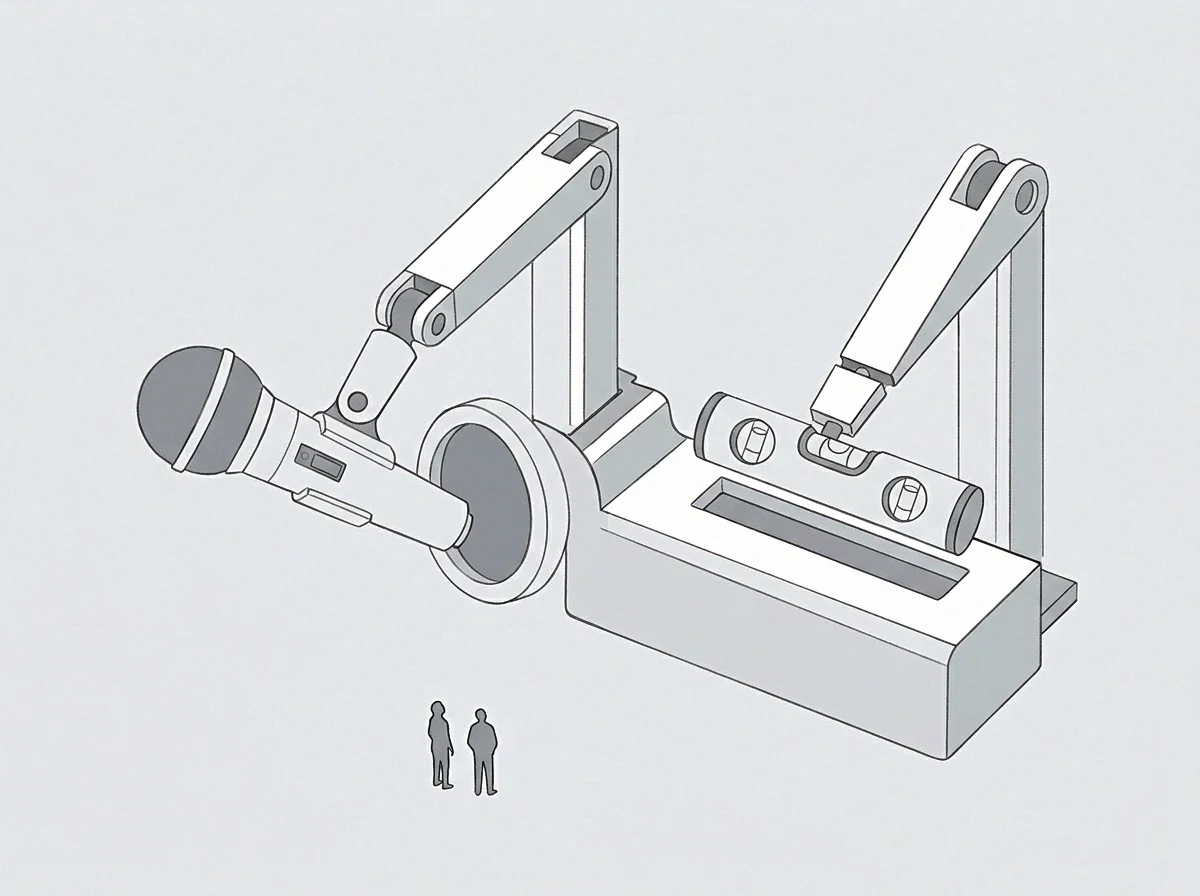
Audit events routed into immutable write-once ledgers prevent operational teams from rewriting compliance history to cover delivery oversights. If an engineer disables encryption parameters during an emergency infrastructure patch, the event bus records the configuration mutation before the change propagates across server fleets. The record exists beyond the reach of local administrators.
Continuous monitoring without deterministic enforcement produces alert saturation rather than operational integrity.
The pipeline ceases execution. This automated friction keeps operational accountability transparent across team handoffs.
A working rule dictates that verification latency remains smaller than the cycle time of the governed workflow.
Threshold
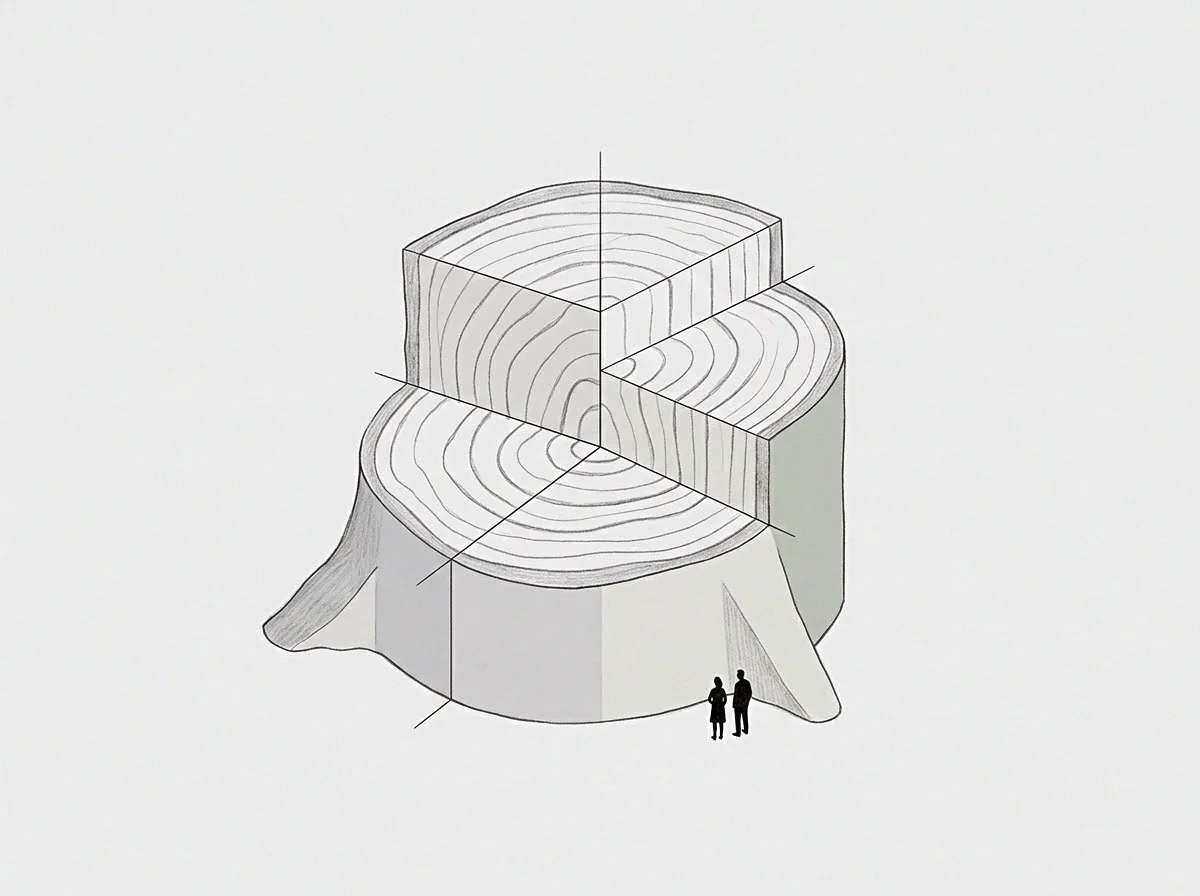
Calibrating continuous compliance requires establishing definitive boundaries where warnings convert to hard operational halts. An audit architecture that trips on every cosmetic variation paralyzes delivery organizations, prompting engineers and analysts to invent creative bypasses. Setting thresholds transforms vague regulatory intent into quantified, enforceable contracts between operational teams and risk officers.
Uncalibrated audit engines emit overwhelming noise volumes. Delivery teams adapt to noise through learned indifference, ignoring compliance notifications alongside low-priority ticket updates. Operators bypass silent controls.
Defining precise boundary metrics protects the authority of the monitoring system.
- Binary Execution Gates halt deployment artifacts immediately when critical security flaws or missing access credentials surface during pipeline ingestion.
- Temporal Tolerance Windows grant delivery teams forty-eight hours to resolve secondary configuration variances before automated systems restrict production release authority.
- Drift Accumulation Ceilings aggregate minor configuration discrepancies across regional environments, revoking branch merging authority whenever total system variance surpasses preset limits.
Every unstated boundary breeds resentment. Compliance leaders who fail to declare non-negotiable boundaries expect operators to instinctively know which security standards take precedence over customer ship dates. The delivery organization prioritizes immediate release targets, viewing subsequent compliance reprimands as political interference.

Noise Decay And Alert Governance
False alerts destroy compliance posture. If an automated rule flags three hundred standard database reads as anomalous access spikes every morning, operations staff mute the notification channel entirely. Calibration requires continuous tuning of alert filters against baseline production behaviors, ensuring that notifications indicate legitimate operational hazards rather than routine task variance.
When an automated pipeline evaluates compliance assertions at pull request merge, policy breaches trigger immediate build failure before deployment costs accumulate.
We thought this configuration met the standard because the compliance dashboard displayed a passing indicator throughout last month.

Toll
Failing to calibrate automated audit systems extracts severe operational penalties. The initial expense arrives as systemic latency. When automated compliance evaluations run unchecked, continuous integration pipelines lengthen from six minutes to two hours, trapping engineering teams in idle wait states while scanners inspect stagnant test environments.
Speed exposes hidden debt. When delivery velocity slows under heavy audit overhead, operators develop shadow channels to circumvent scrutiny. They deploy changes manually through emergency maintenance credentials, bypass automated code repositories, or process high-value purchases across multiple fragmented invoices to stay beneath secondary review levels.

The Human Overhead Of False Violations
Alert fatigue drives staff turnover among operations personnel tasked with clearing compliance backlogs. Triage engineers spend mornings reviewing identical false positives generated by inflexible rule sets that cannot distinguish between test harnesses and customer-facing databases. The ledger remains unyielding.
Shadow workflows create severe security blind spots across internal systems. Delivery leaders under pressure to ship product prioritize speed over administrative gatekeeping, rationalizing compliance bypasses as operational necessities. The organization accumulates hidden risk that surfaces only when catastrophic breaches or external regulatory sanctions trigger emergency forensic reviews.
Unchecked exceptions accumulate interest. The compounding cost lands as total regulatory invalidation, forcing an organization into prolonged deployment freezes while external teams rebuild compliance controls from scratch.

Remedy
Restoring equilibrium requires treating compliance rules as operational code maintained through standard version-control workflows. Compliance officers, security architects, and workflow owners collaborate to express regulatory policies as unambiguous software tests. When compliance requirements change, the revision enters the repository through a transparent pull request, displaying its operational impact across active pipelines before enforcement begins.
Shared repository ownership eliminates unstated expectations. Operational personnel see the exact assertions governing their build parameters, payment thresholds, and identity pools. Manual signoffs hide defects.
Codified policies provide definitive, reproducible verification conditions.

Policy Code Maintenance Cycles
Engineering and compliance leaders establish service-level objectives for audit logic itself. If an audit check introduces more than two percent execution overhead or yields false positives above zero point one percent, automated governance temporarily degrades the assertion from a hard blocking gate to a warning log until audit engineers optimize the underlying test code.
The assertion holds. By treating automated verification as shared infrastructure rather than an administrative mandate, organizations eliminate the covert contracts that historically poison relationships between product delivery and internal control teams.
Whether automated audit definitions can maintain structural integrity without external regulatory cross-checks remains an open operational dilemma as autonomous agentic workflows begin modifying production codebases without human intervention.