
Establishing Tiered Verification Floors To Protect Operational Capacity From Drift
Tiered verification floors enforce explicit validation checkpoints based on risk thresholds to prevent unchecked operational drift from eroding technical capacity.
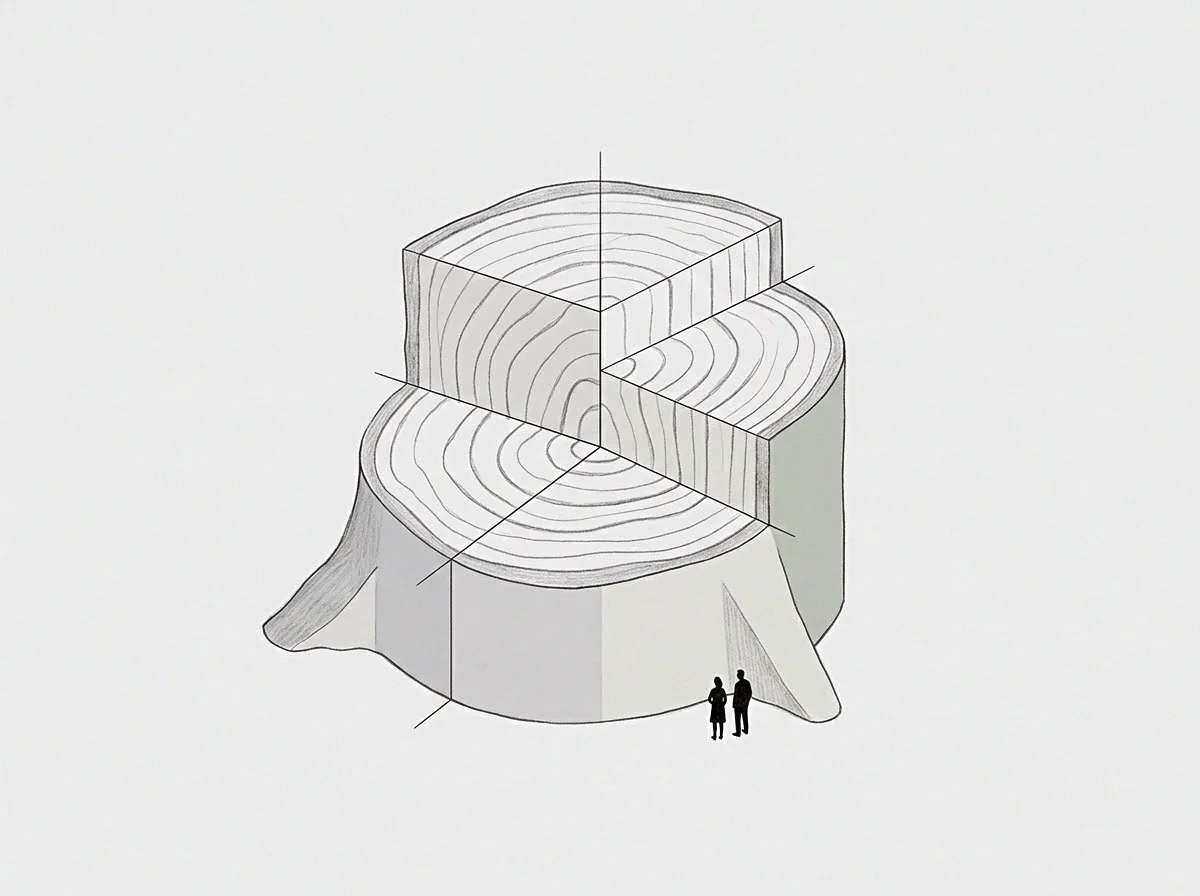
Desk
Operational capacity declines when teams build upon unvalidated outputs. Early execution moves rapidly because individuals operate on implicit trust, shared context, and informal agreements. As organizations grow, this informal context breaks down.
Engineers, operators, and founders begin assuming that preceding tasks met quality and structural standards without confirming those standards directly. Drift compounds.
Unverified work creates systemic debt. When an upstream team delivers a task with silent defects, the downstream team spends twice the effort diagnosing and fixing the failure. The original output appeared complete, yet its lack of verification forced subsequent workers to absorb the cost of repair.
Errors accumulate downstream. In high-velocity environments, unchecked operational velocity degrades into expensive rework.
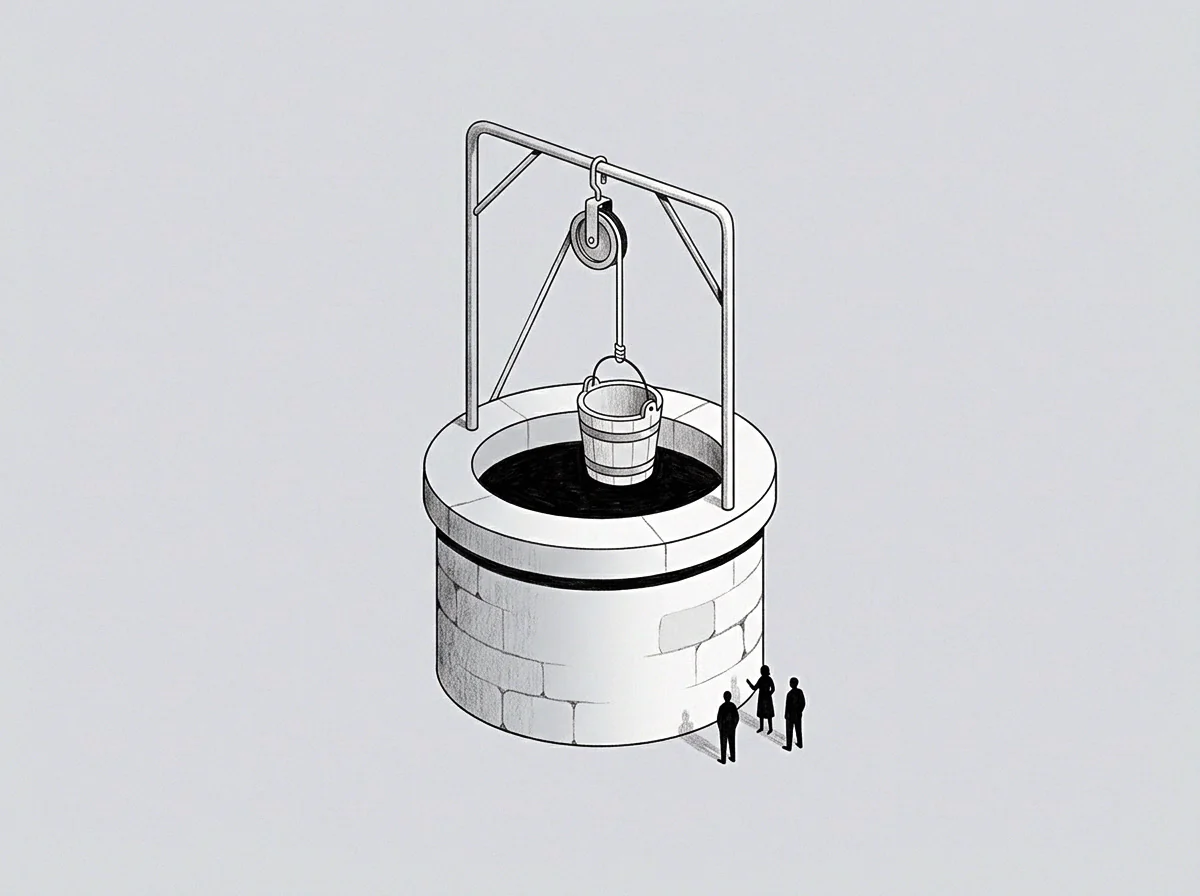
Operational Capacity Under Frictionless Assumption
Founders often mistake speed for productivity. Moving fast without validation checkpoints creates an illusion of throughput. A software feature deployed without automated test coverage or an operational process handed off without explicit parameters feels fast during execution.
The true cost surfaces three weeks later when edge cases fail, forcing senior operators to pause strategic initiatives to remediate foundational mistakes.
The distance between execution and verification dictates how far drift can spread. When verification occurs weeks after completion, tracing the root cause requires extensive forensic effort. Stating validation requirements before work begins anchors the standards to physical metrics rather than vague expectations.
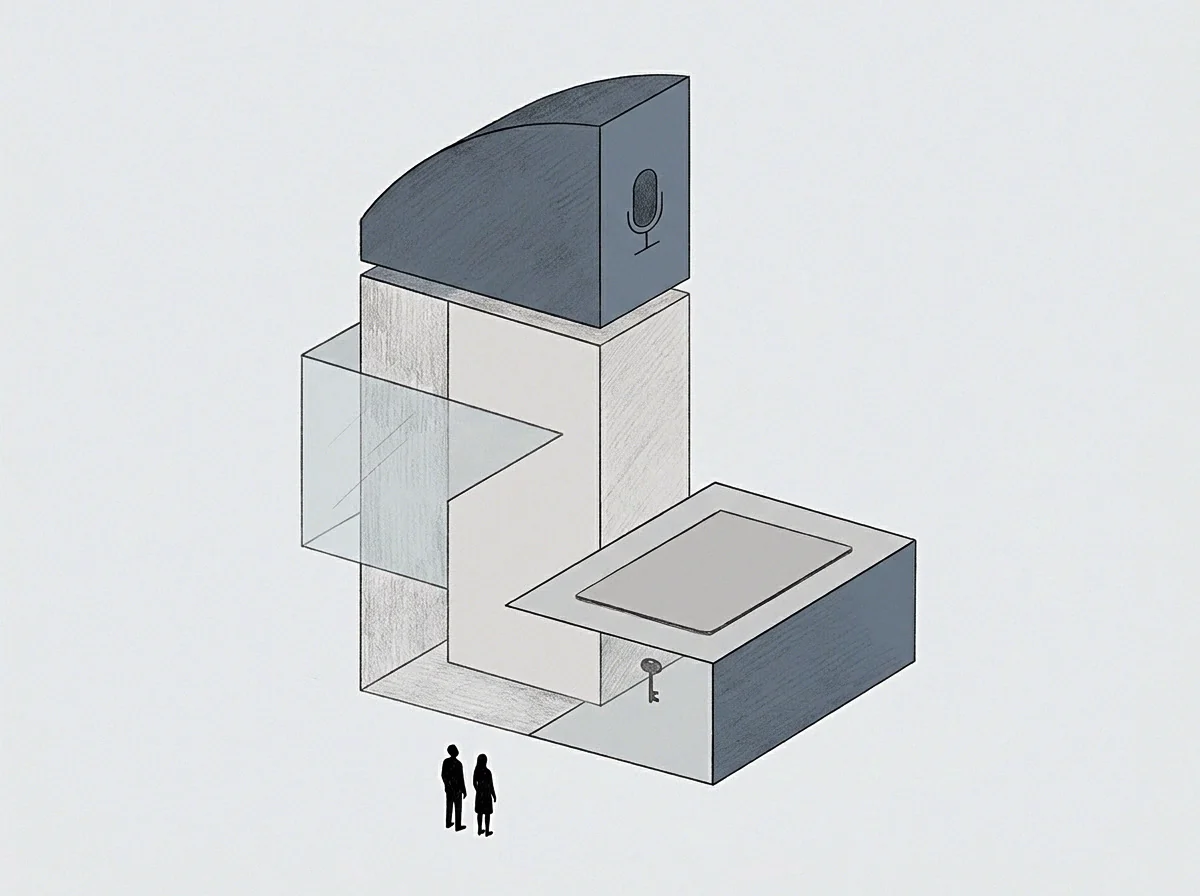
The Architecture Of Invisible Accumulation
Informal handoffs breed covert contracts. One operator assumes the other performed standard checks, while the second operator assumes the first validated the inputs. Neither party states the criteria explicitly.
When the system breaks, both parties account for the failure differently, viewing the issue through their own unstated expectations.
Systemic drift manifests as a quiet drain on senior leadership focus. Operational capacity decays when key personnel spend mornings verifying basic execution rather than expanding capabilities. Leaving validation requirements implicit forces teams to spend high-value technical hours auditing baseline work.
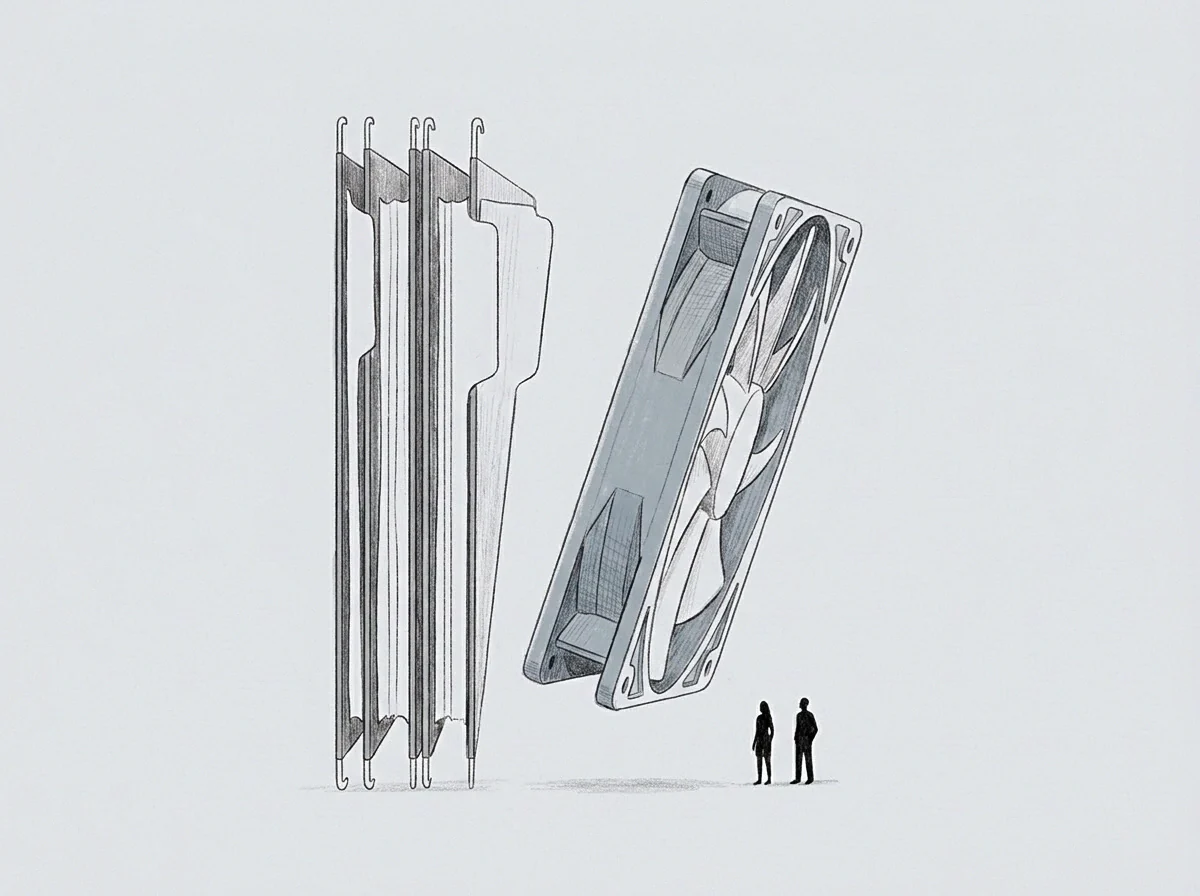
Gate
Structured validation floors create distinct operational checkpoints. A verification floor sets the absolute minimum criteria an output must clear before passing to the next stage. Rather than relying on continuous manual inspection, teams establish clear, tiered validation rules matched to the risk profile of each deliverable.
Different tasks carry distinct risk thresholds. Treating all validation with identical weight wastes high-value operator capacity on low-risk tasks while underscrutinizing high-risk architectural shifts. A tiered model distributes validation effort according to risk and structural impact.
Structuring Tiered Verification Floors
Establishing tiers requires mapping operational risk to verification intensity. Low-impact deliverables require minimal automated checks, while core infrastructure changes require multi-layered peer reviews and formal sign-offs. Tiered systems allocate attention where structural failures carry the highest operational costs.
- Tier One Checks operate as continuous automated assertions validating deterministic inputs without manual human effort.
- Tier Two Reviews validate structural assumptions and architecture through peer review before moving to production environment deployments.
- Tier Three Audits examine systemic capacity risk across interdependent teams prior to releasing major operational initiatives.
Automated verification operates at the base layer. Mechanics at this level execute instantly, providing immediate feedback loops to the operator. Automated checks prevent trivial errors from reaching human reviewers, keeping senior focus clear for complex structural evaluations.
Validation precedes action.
Automated verification checks preserve immediate throughput whenever team capacity falls below critical operating thresholds.
Higher verification tiers introduce targeted friction. Introducing friction intentionally at critical decision gates prevents long-term operational degradation. When an operator knows a deliverable must clear a Tier Three audit, preparation becomes thorough prior to submission.
The floor holds.
Unchecked velocity on high-risk initiatives leads directly to structural failure, whereas enforced verification floors bound risk without halting overall execution momentum.
Tally
Quantitative tracking of operational drift reveals the true friction of late verification. Measuring time spent on unplanned rework versus time spent on upfront verification shows a consistent operational tax. Teams operating without clear validation floors spend up to forty percent of their active hours fixing preventable downstream errors.
Tracking failures by tier exposes structural weaknesses in process design. If Tier One automated checks fail to catch basic configuration flaws, the baseline rules need immediate expansion. Execution stops immediately.
Adjusting verification criteria based on observed failure patterns keeps the floor relevant to evolving technical requirements.

When Does Verification Require Tiered Escalation?
Escalation depends on impact radius and resource expenditure. When a process failure impacts client operations or core financial metrics, validation must move instantly from automated checks to executive review. Matching floor levels to failure consequences maintains structural balance across teams.
| Floor Tier | Trigger Metric | Execution Time | Capacity Cost | Drift Prevention |
|---|---|---|---|---|
| Tier One | Routine Code Commit / Basic Task | Real-time (Automated) | Negligible (<1%) | Prevents syntax and formatting errors |
| Tier Two | Cross-Domain Data Handoff | 1 to 4 Hours | Low (5%) | Prevents integration and schema drift |
| Tier Three | Core Architectural Change | 24 to 48 Hours | Moderate (15%) | Prevents systemic outages and capacity collapse |
| Data reflects operational throughput metrics across technical teams over six-month observations. | ||||
Capacity protection improves as team members understand the exact parameters of each floor tier. Removing ambiguity around sign-off conditions eliminates unnecessary back-and-forth communication. The limits remain clear.
Explicit verification thresholds prior to execution prevent late-stage operational rework.
When an operational floor specifies that data handoffs require explicit schema validation logs, downstream engineering teams avoid wasting time guessing input fields.
Clause
Clear operational terms remove reliance on subjective oversight. Setting a boundary requires constant personal enforcement and monitoring, whereas establishing an explicit term constructs a filter that operates independently of operator intervention. Unstated terms cost capacity.
Operators adjust behavior rapidly when terms are stated once during initial onboarding or project planning. Stating terms once eliminates the covert expectation that senior leaders will manually review work before deployment. Silence creates operational friction.
The Operational Response To Stated Limits
Teams given explicit verification criteria self-correct before requesting review. The presence of clear rules shifts responsibility back to the author of the work. Verification resets the baseline.
- Operators document technical assumptions prior to initiating structural changes.
- Peer review confirms adherence to stated capacity rules before submission.
- Execution proceeds only after explicit floor verification passes completely.
Stating validation parameters early acts as a powerful operational filter. Individuals who cannot or will not meet the documented verification standards highlight capability gaps early, allowing managers to reallocate responsibilities before failure occurs. Capacity limits remain strict.
A verification floor holds only when the trigger condition requires no interpretation.
Work continues without interruption. When a team lead insists that no code enters production without automated test verification, the engineering team stops submitting unvalidated commits entirely.
Scope
Longer operational cycles test whether validation rules resist ambient fatigue. As organizations scale, pressure to bypass verification floors increases during crunch periods. Yielding to short-term delivery pressure by waiving verification floors accelerates systemic drift and destroys operator trust in the standards.
Maintaining verification floors requires steady adherence from leadership. When founders make exceptions for urgent features, teams interpret the exception as the true operational standard. Explicit terms replace expectations.
Floor integrity demands continuous adherence across all operational conditions.
Maintaining Floor Integrity Over Time
Auditing the verification floors periodically prevents process inflation. Verification rules that no longer protect against real risks should be pruned quickly to preserve capacity for high-value checks. The system remains lean and effective.
Capacity lost to unverified work compounds faster than capacity spent on validation.
Regular recalibration keeps verification floors aligned with true operational risks as systems evolve over multi-year horizons.