
Modeling Long Term Balance Sheet Impairment Originating From Multi Tier Unenforced Operational Instruction Failures
Systemic lack of operational instruction enforcement generates hidden asset degradation, accumulating unrecorded operational liabilities that force balance sheet write-downs.

Omission
Operational instructions decay when the systemic cost of non-compliance falls to zero. A tier-one operator receives a formal directive specifying daily lubrication protocols for heavy processing equipment. The manual sits on a nearby desk.
The operator skips the procedure to save twenty minutes per shift. A tier-two supervisor notices the omitted log entry during weekly reviews, yet signs off on operational throughput without issuing a correction. At tier three, leadership monitors high-level output metrics, observing consistent production speed while assuming underlying maintenance parameters remain intact.
The instruction sits unread.
This multi-tiered absence of enforcement transforms a written instruction into a dead letter. Systemic degradation begins not with physical asset collapse, but with the quiet erosion of operational compliance across managerial levels. The initial saving in human energy yields an immediate localized efficiency gain.
The operator gains spare time, the supervisor avoids an uncomfortable corrective conversation, and the executive sees uncompromised short-term delivery numbers. The immediate response to an unenforced term is non-compliance. When structural expectations lack mandatory verification, human systems optimize for short-term energy conservation over long-term capital preservation.
Unenforced rules degrade physical capital faster than recorded economic depreciation.
The financial consequence of this operational drift remains invisible on income statements during early quarters. Standard accounting methods recognize straight-line depreciation based on estimated asset useful life, assuming strict adherence to operational manuals. When physical assets operate outside prescribed thermal, rotational, or structural limits, physical wear accelerates exponentially.
The variance compounds quietly. The balance sheet continues to reflect historical cost minus standard accumulated depreciation, overstating asset carrying values. This divergence between recorded book value and actual physical utility forms an unrecorded operational liability that grows until physical breakdown forces recognition.
Managing structural performance without active enforcement protocols converts asset integrity into off-balance-sheet debt. Capital assets run harder than designed while maintenance budgets appear artificially efficient. When operational instructions across multiple tiers lack enforcement mechanisms, the resulting financial reporting fails to capture structural asset impairment until physical failure demands capital re-investment.
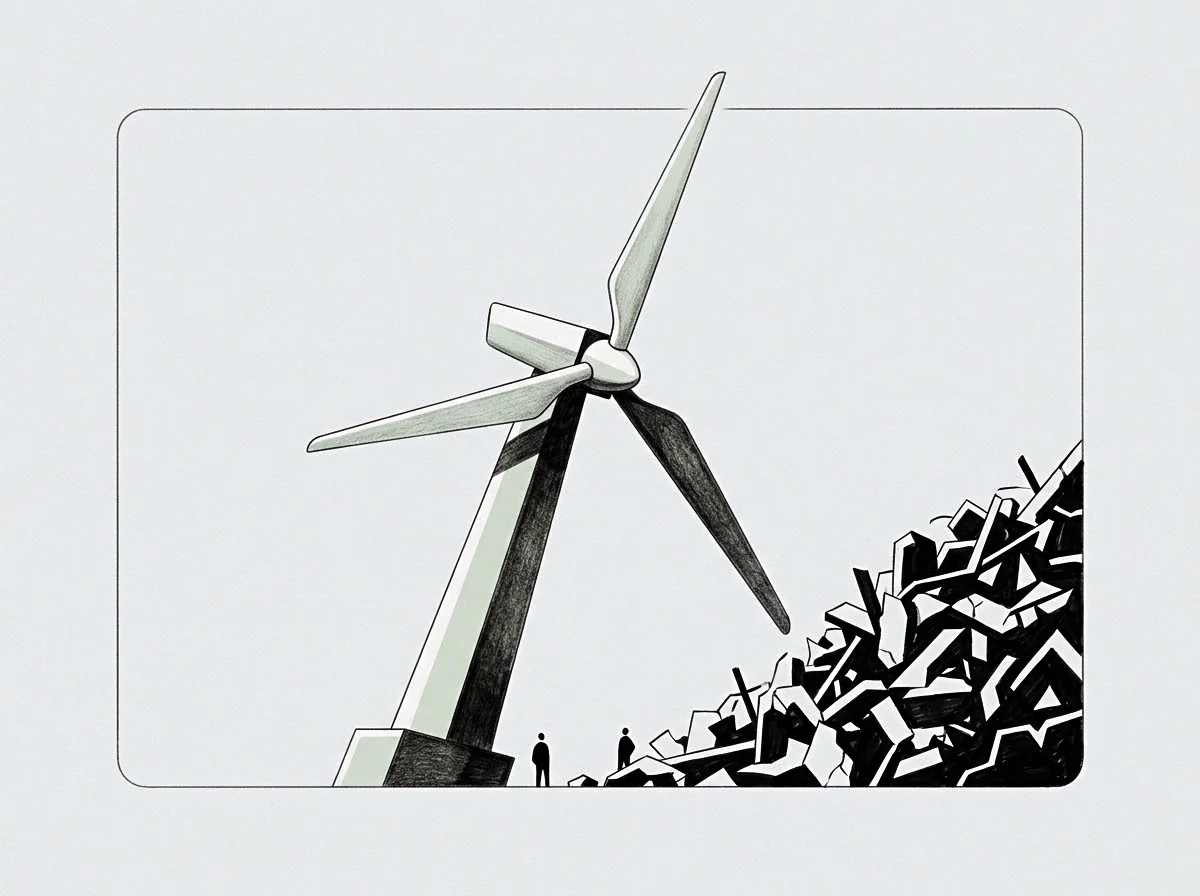
Shelf
The physical environment of an enterprise reveals where operational control degrades. Bound operating manuals sit on a shelf, covered in dust, while custom workarounds govern the factory floor. Operational instructions exist as static documents rather than enforced terms of engagement.
When an organization relies on written instructions without establishing explicit enforcement thresholds, control shifts from design specifications to informal operator habits.
Decay Cascades Across Operational Layers
The failure of an instruction propagates through organizational strata over predictable timeframes. The process follows a structured sequence where uncorrected small deviations accumulate into balance sheet liabilities.
- Initial Term Omission occurs when a tier-one operational worker ignores a written specification without triggering an automated block or manager intervention.
- Supervisory Normalization follows as tier-two management observes the deviation, accepts the immediate productivity gain, and omits the variance from performance records.
- Executive Metric Distortion occurs when tier-three leadership interprets high output figures as operational efficiency, validating the unstated operational shift.
- Physical Degradation accelerates beneath stable financial indicators as equipment, inventory, or client relationships suffer structural damage.
- Capital Write-Down materializes when physical failure forces an immediate, unbudgeted balance sheet adjustment.
The inspection never happened. Operational records reflect compliance because log sheets are filled out at the end of shifts from memory rather than real-time measurement. When supervisors prioritize immediate volume over protocol verification, the system rewards superficial compliance.
Workers learn that written directives carry no weight compared to verbal demands for output velocity.
Tier three executives observe stable quarterly yields while tier one machinery operates without baseline maintenance.
When Does Operational Drift Become Financial Impairment?
Operational drift becomes financial impairment at the precise moment physical capacity drops below carrying value assumptions. A processing plant carrying a asset value of ten million dollars relies on assumptions of an eight-year operating lifecycle. If unenforced maintenance instructions reduce functional lifespan to four years, the asset experiences real-time impairment of twelve hundred thousand dollars per year above recorded depreciation.
The accounting apparatus fails to capture this loss until major component failure requires early replacement or write-off.
The record remains blank. When internal controls lack audit verification, accounting ledgers reflect assumptions rather than operational reality. Management decisions rest on figures that mask ongoing capital consumption, leading to premature dividend distributions or inaccurate pricing structures.
The operational team maintained full production targets every single month without receiving a single audit query regarding baseline procedure adherence.

Erosion
Long-term balance sheet erosion from instruction failure manifests across multiple financial asset classes. The degradation extends beyond plant machinery into working capital, inventory value, and legal exposure. Unenforced rules function as covert contracts where management accepts invisible asset decay in exchange for immediate administrative ease.
Inventory management provides a clear example of operational erosion. Quality control instructions specify temperature thresholds, storage durations, and rotation protocols for raw materials. When warehouse personnel skip rotation protocols due to unenforced inventory instructions, older stock remains in back storage areas while fresh arrivals ship first.
The inventory deteriorates.
- Obsolescence Exposure expands when raw material age limits are ignored, forcing sudden inventory write-downs during end-of-year audits.
- Warranty Liability Reserves grow as uninspected components enter final assemblies, driving post-sale replacement costs above historical provisions.
- Contractual Non-Compliance Penalties accrue when quality validation steps are omitted, leading to client rejections and mandatory clawback provisions.
- Regulatory Compliance Debt accumulates when mandatory environmental or safety logs lack verifiability, exposing the enterprise to sudden structural fines.
The margin collapses over time. The structural cause sits in the gap between a written requirement and its enforcement. Stating a term once in a policy manual without establishing verification mechanisms creates an unmonitored risk exposure.
Organizational personnel interpret the absence of enforcement as explicit permission to abandon the term.
A term stated without enforcement creates an unrecorded operational debt that settles on the balance sheet.
When operational instructions lack active monitoring, the true cost of production remains understated. Operating cash flow appears robust, yet capital expenditure commitments mount in the background. The enterprise consumes its own physical foundations to finance current operating margins.
A written operational directive holds binding financial authority only when backed by continuous audit and explicit performance consequences.
Valuation
Quantifying balance sheet impairment originating from unenforced instructions demands a rigorous valuation framework. Standard financial modeling relies on historical income trends and management assumptions regarding asset longevity. Incorporating operational instruction failure into financial models requires evaluating the gap between prescribed operational parameters and actual field practices.
The evaluation compares two distinct operating environments across four core balance sheet dimensions. The structural differences highlight why traditional financial auditing often misses latent balance sheet risks until capital impairment occurs.
| Valuation Dimension | Enforced Operational Control | Multi-Tier Unenforced Drift |
|---|---|---|
| Asset Carrying Value | Matches physical utility based on standard economic depreciation schedules. | Overstated; physical deterioration outpaces recorded accumulated depreciation. |
| Reserve Requirements | Calculated using historical maintenance logs and verified failure rates. | Underfunded; latent asset damage requires sudden capital injections. |
| Working Capital Velocity | Predictable inventory turn rates adhering to strict quality controls. | Impaired; uninspected stock causes scrap spikes and delayed order fulfillment. |
| Audit Exposure | Transparent operational trail validating financial statement assertions. | High; unverified logs expose balance sheet to sharp write-downs. |
The cash drain continues. Asset carrying values listed under explicit control structures reflect real market utility, whereas unenforced environments mask structural decay. When valuation models incorporate operational instruction compliance scores, carrying values fall immediately to match actual physical status.
The liability accrues early.
Consider a transport fleet operating under unenforced oil change and engine inspection directives. The ledger registers forty vehicles at peak carrying value. Field inspections reveal fifty percent of the fleet operates with contaminated lubricants, cutting remaining engine life by two-thirds.
The financial model must recognize an immediate impairment loss equal to the accelerated loss of utility, despite zero physical breakdowns having occurred to date. The balance sheet reflects reality.
Operational instructions lose structural authority when manager oversight drops below the threshold of active audit.
The financial model captures operational debt by converting omitted maintenance hours into accelerated depreciation multipliers. Every unperformed maintenance instruction reduces the asset useful life variable in the discount rate equation. As operational non-compliance spreads across additional management tiers, the probability of catastrophic asset failure increases, raising the firm’s overall cost of capital.
How can financial valuation models accurately price latent asset impairment before physical destruction forces a public write-down?

Correction
Eliminating long-term balance sheet impairment caused by operational drift requires restructuring how instructions are issued, verified, and enforced. Relying on employee goodwill or informal oversight fails when incentives favor short-term throughput. The organization must shift from passive guidelines to explicit operational terms.
The operator signs the log. Structural correction begins by attaching immediate verification to every critical operational instruction. Tier-one instructions must link to physical blocks or digital sign-offs that prevent task continuation until compliance is recorded.
Tier-two managers require mandatory spot-check quotas, where supervisory pay correlates directly with audit accuracy rather than raw production output alone.
The term holds the line. Establishing explicit terms replaces the covert contract of mutual non-enforcement. When a manager states a clear instruction and enforces it immediately upon the first variance, the system establishes its boundaries.
The response to an enforced term provides immediate operational data. If an operator cannot meet output targets while adhering to safety protocols, the target is inaccurate, not the protocol.
Remediating historical balance sheet impairment requires a formal asset audit. The enterprise conducts physical condition assessments across all operational assets, adjusting carrying values down to reflect true remaining utility. This one-time write-down clears latent operational liabilities from the balance sheet, establishing an accurate baseline for future earnings reports.
The room forgets the rule. Without continuous audit infrastructure, operational drift returns within two fiscal quarters.
Unenforced operational instructions function as hidden financial leverage, consuming physical asset value to inflate short-term earnings until continuous structural enforcement restores balance sheet integrity.