
Verification Protocols Stabilizing Managerial Credibility Across Large Bureaucracies
Verification protocols stabilize managerial credibility across large bureaucracies by substituting physical sampling for self-reported aggregated operational metrics.

Sheet

Assertion Drift in Administrative Chains
A senior director receives monthly status summaries indicating ninety-eight percent target compliance across eight operational divisions. Physical sampling at a regional warehouse reveals a fourteen percent discrepancy between recorded intake logs and actual physical inventory. The formal report passed through three managerial tiers, where each successive layer smoothed operational variance to present stable performance metrics.
Aggregated reporting routinely replaces physical observation with administrative attestation. Reports hide operational drift.
When supervisory review relies entirely on self-reported documentation, the distance between physical operational state and executive perception widens across every organizational level. Middle managers modify narrative context to align with performance expectations, transforming localized operational stalls into planned variances. A director relying on unverified summaries commits institutional capacity based on inaccurate baseline metrics.
Operational records preserve authority.
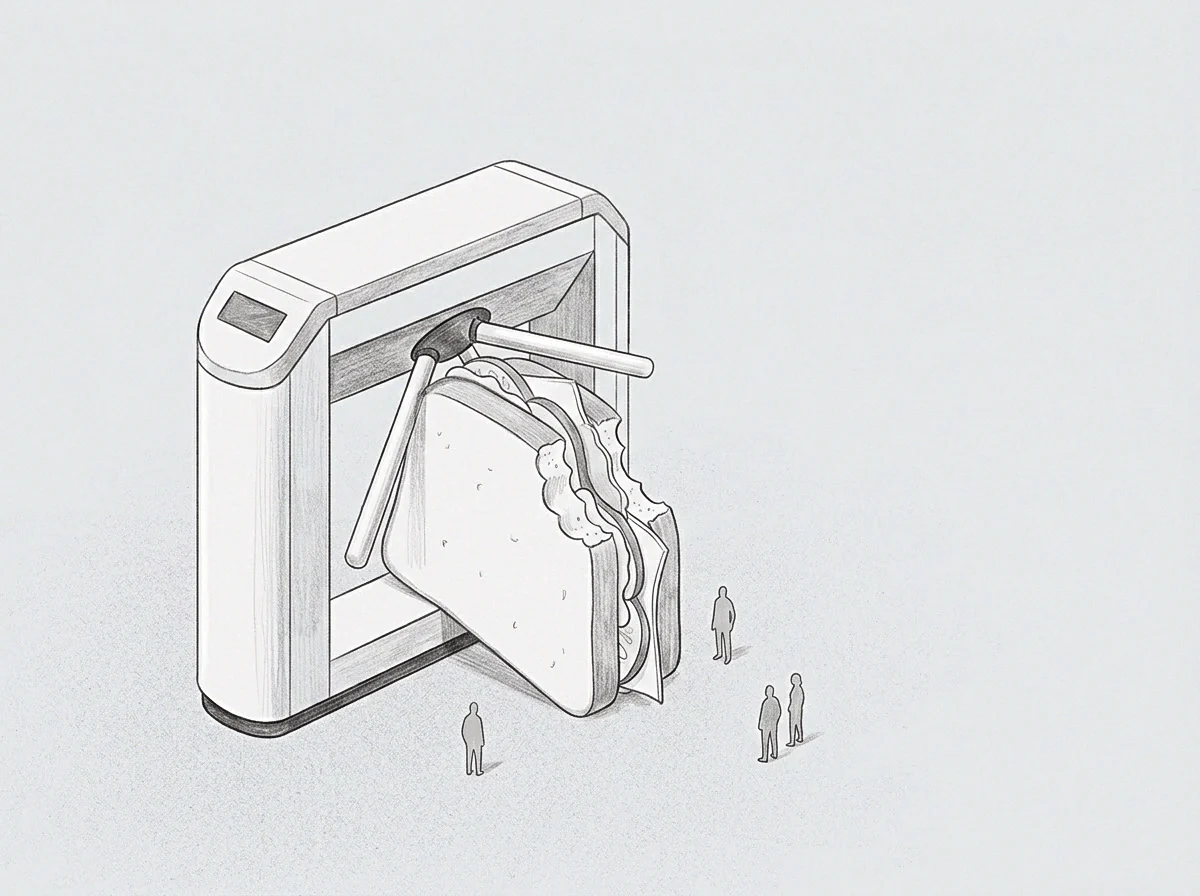
Operational summary sheets lose physical precision as information moves across three reporting tiers.

Physical Audits Against Reported Summaries
Take an enterprise operating twelve distribution sites where site managers submit weekly safety compliance logs. The executive dashboard displays uniform green status across all locations for six consecutive months. An independent review team conducts unscheduled inspections and identifies unaddressed equipment maintenance hazards at four facilities.
The local managers had documented the hazards on internal maintenance logs but omitted them from executive summaries to avoid triggering performance audits.
The discrepancy highlights the structural vulnerability of self-reported metrics within large administrative hierarchies. Managers protect departmental autonomy by managing the perception of operational control. Verification protocols intercept this reporting distortion by establishing independent observation mechanisms directly at the point of execution.
Physical metrics anchor claims.
If an administrative tier accepts self-reported status logs without physical verification protocols, managerial credibility degrades to the precision of the most distorted report.

Filter

Sampling Intervals Intercepting Reporting Distortion
Systemic reporting distortion occurs when verification occurs only after operational failure becomes visible. Establishing pre-scheduled physical sampling intervals introduces an operational filter that isolates assertion drift before executive decisions rely on flawed metrics. The filter functions by comparing raw transactional records against high-level narrative summaries at set calendar dates.
Supervisors check raw inputs.
When sampling intervals operate predictably, middle management adjusts reporting practices to match verifiable physical realities. The introduction of fixed audit gates changes the incentive structure of administrative reporting. Managers line up self-reported claims with verifiable underlying evidence when they know independent verification occurs prior to resource allocation choices.
Verification precedes administrative trust.

What Breaks When Verification Precedes Authority?
Establishing verification protocols before executive authority validates operational claims changes administrative dynamics across several dimensions.
- Automated Log Matching compares digital entry timestamps against physical sensor outputs every six hours to isolate manual log overrides.
- Dual Authorization Signs restrict single-operator approval authority on capital expenditure requests exceeding ten thousand dollars.
- Unannounced Cross Audits substitute external reviewers for local supervisors during quarterly physical inventory counts.
Unstated terms create drift. When an organization grants authority without embedding structural verification filters, managerial credibility relies entirely on personal trust rather than verifiable system output. Personal trust fails to scale across complex multi-tiered bureaucracies.
Discrepancies compound over time.
Verification protocols set early reduce reliance on personal authority during administrative disputes.
Stating the verification standard prior to project initiation preserves authority when operational errors occur.
Table
Comparative Auditing Methodologies in Administrative Hierarchies
Administrative structures deploy distinct verification methods to validate operational metrics across regional divisions. The choice of protocol dictates both supervisory capacity consumption and the speed of discrepancy detection. Direct observation methodologies offer high accuracy but demand significant executive attention, whereas automated transaction matching scales across large operations with low labor overhead.
Executives rely on verified signals.
| Protocol Type | Execution Interval | Administrative Burden | Credibility Protection |
|---|---|---|---|
| Self-Reported Attestation | Monthly reporting cycle | Low direct operational effort | High vulnerability to aggregated reporting drift |
| Randomized Spot Sampling | Weekly unscheduled reviews | Moderate supervisory bandwidth | Early detection of procedural variance |
| Independent Triangulation | Quarterly external review | High resource allocation | Complete structural isolation from local reporting bias |
Different verification structures produce varied administrative outcomes. Automated system checks provide continuous coverage of quantitative transactions, while physical spot audits validate qualitative operational conditions that digital tracking omits. Data demands structural proof.
Unannounced verification protocols detect procedural variance only when physical records exist independently of executive summaries.
The inclusion of an independent sampling clause in operational charters alters reporting accuracy by eliminating supervisor discretion over discrepancy disclosures.

Cost

Redundant Oversight Burdening Operational Capacity
Verification protocols incur direct capacity expenses that scale alongside organizational depth. Implementing continuous physical sampling across dozens of business units absorbs managerial hours, redirects administrative budget, and slows decision execution speeds. An organization spending excessive capacity on validation protocols creates operational paralysis, where verification activities consume the bandwidth intended for primary execution.
Audit logs record physical reality.
The expense of oversight must align with the operational risk of undetected reporting drift. When verification terms are poorly defined, organizations stack redundant review layers onto existing management tiers without increasing verification accuracy. Each redundant sign-off layer adds administrative latency while diluting individual accountability for data integrity.
Aggregated data conceals variance.
- Initial Discrepancy Identification occurs when raw operational logs contradict executive dashboard metrics during routine audits.
- Protocol Implementation Costs accumulate as supervisory staff execute parallel manual checks across business units.
- Administrative Equilibrium Restored happens when automated verification replaces discretionary reporting structures.
Establishing verification terms before administrative variance occurs protects managerial authority from retrospective justification.

Verification Overhead Against Credibility Degradation
The trade-off between verification expense and managerial credibility presents a permanent operational constraint for senior leadership. Failing to verify operational claims leads to public misstatements, capital misallocation, and rapid erosion of administrative authority. Conversely, over-verifying trivial tasks exhausts staff energy and instills systemic risk aversion across department heads.
Systemic errors demand clear filters.
A senior manager balances this equation by anchoring verification protocols to critical risk nodes rather than uniform universal oversight. Defining precise threshold conditions for deep audits preserves executive focus for areas experiencing structural volatility. Silence hides administrative friction.
A department head would observe that continuous unannounced sampling implies systemic distrust rather than operational alignment.

Position

Structural Alignment Through Verification Protocol
Executive credibility depends on establishing explicit verification protocols early in an administrative tenure. Stating the exact verification terms once, prior to operational friction, converts oversight from a reactive personal intervention into a standard operational process. When a leader institutes clear verification criteria, sub-tier managers understand that operational metrics undergo systematic validation before strategic decisions occur.
Verification sets the record.
This structural position removes emotional negotiation from administrative reviews. Discrepancies between reported metrics and physical realities trigger pre-established protocol responses rather than interpersonal conflicts over trust. The manager maintains authority by enforcing the agreed verification standard rather than litigating individual reporting failures after the fact.

Sustaining Executive Authority Across Bureaucratic Expansion
As organizations expand across geography and product lines, direct personal oversight becomes physically impossible. Bureaucratic expansion forces reliance on structural verification mechanisms to maintain institutional alignment across distributed business units. Leaders who build robust verification protocols early preserve their capacity to govern large-scale operations without sacrificing data integrity.
Physical metrics anchor claims.
Establishing immutable verification protocols transforms managerial credibility from a fragile personal asset into a durable structural property of the organization. The protocol operates continuously across leadership changes, operational shifts, and organizational restructuring, ensuring that administrative assertions remain tied to physical realities.
Whether large administrative structures can maintain high operational credibility without escalating verification costs into bureaucratic paralysis remains an open question for institutional design.