

Converting Early Sweat Equity Records into Formal Corporate Shares
Early sweat equity records convert into corporate shares through board-approved stock purchase agreements and IP assignments paired with Section 83(b) tax filings.
Early sweat equity records convert into corporate shares through board-approved stock purchase agreements and IP assignments paired with Section 83(b) tax filings.

Early equity allocations create immediate ordinary income tax liabilities when share issuance occurs alongside capital deposits without timely election filings.

Allocating common stock for unpaid development converts undocumented sweat equity into restricted shares through reverse vesting and invention assignments.
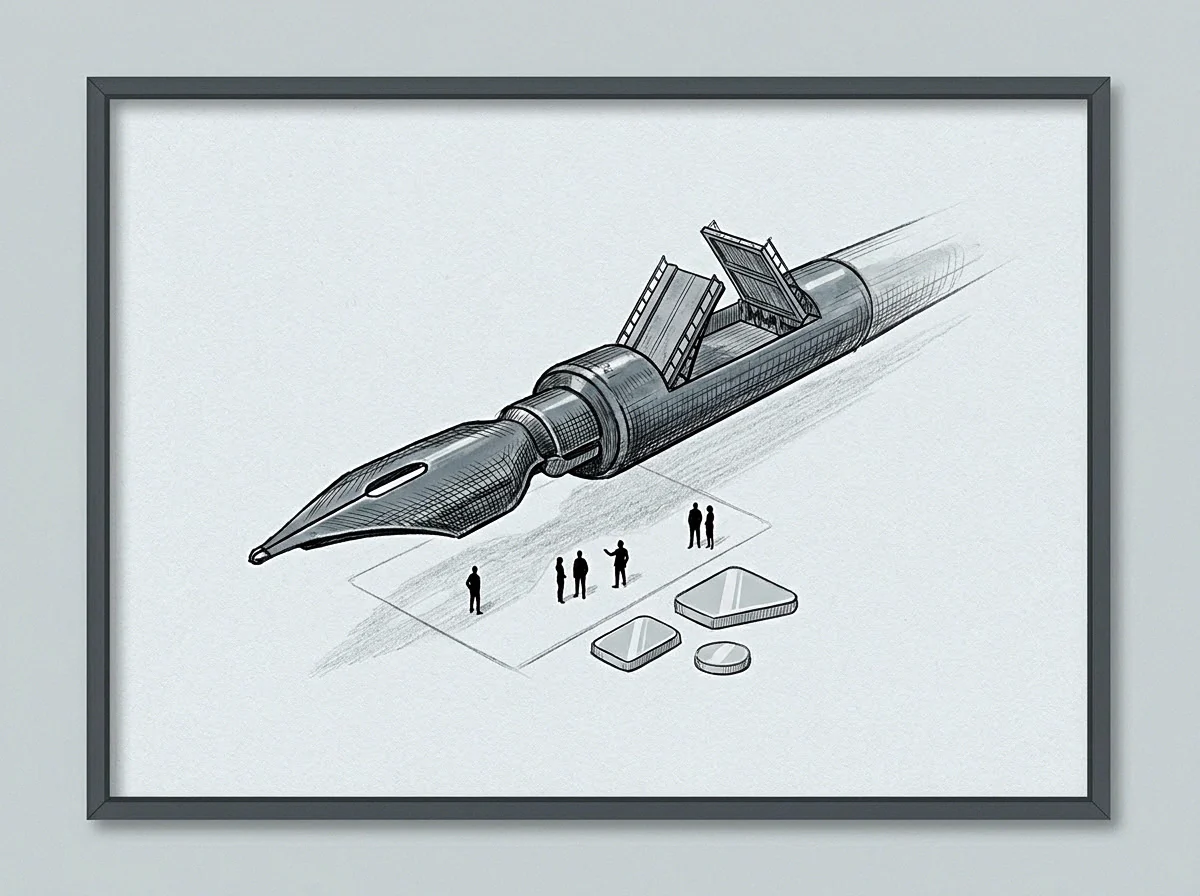
Pre-incorporation labor converts to equity through intellectual property assignments and backdated vesting commencement dates rather than past-service grants.

Dynamic equity metrics distribute early ownership by weighting contributed capital, uncompensated labor, and vesting milestones against operational risk.

Early founder sweat equity converts to legal ownership through restricted stock agreements with explicit vesting and Section 83b tax elections before venture pricing.

Board resolutions ratify retroactive equity by establishing current fair market value grant dates while crediting past service through historical vesting start dates.
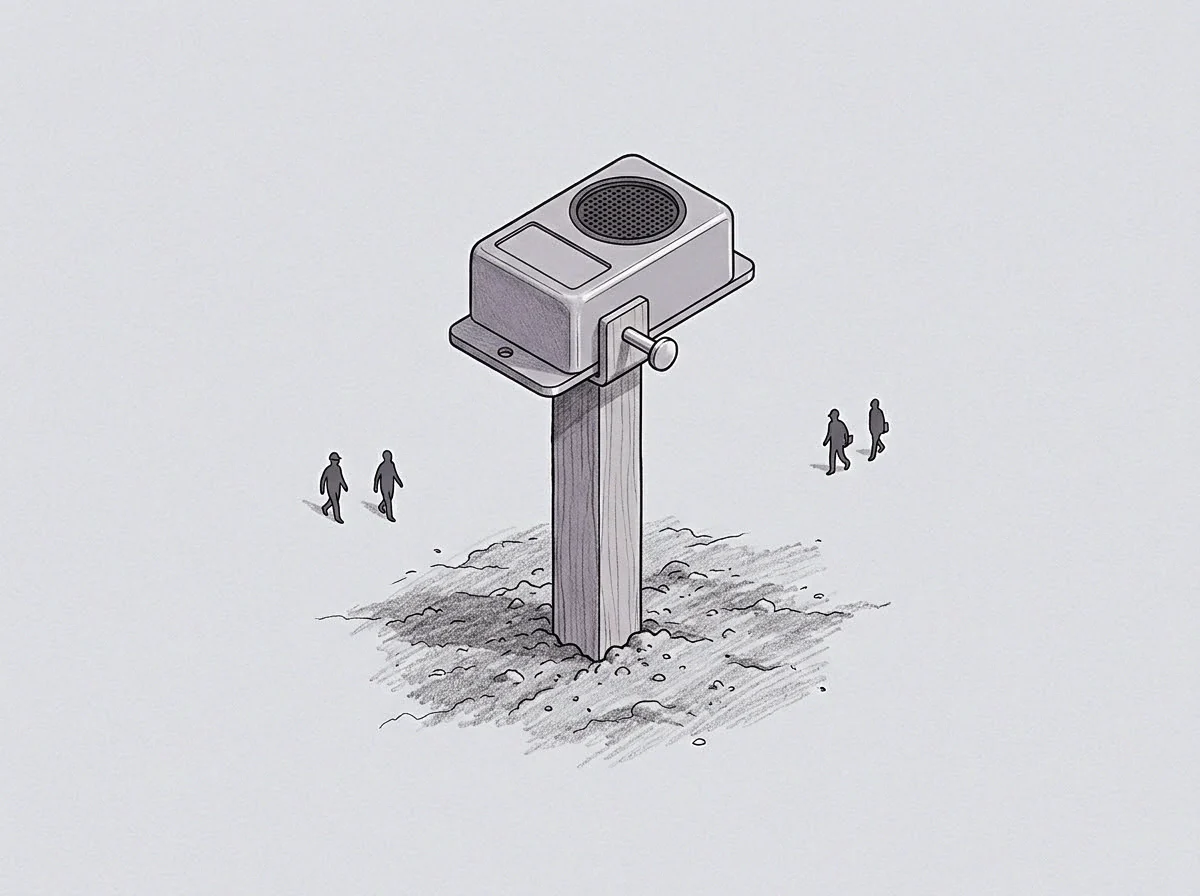
Pre-incorporation sweat converts to stock through property assignment under Section 351 or par-value restricted stock purchase with an 83(b) tax election.
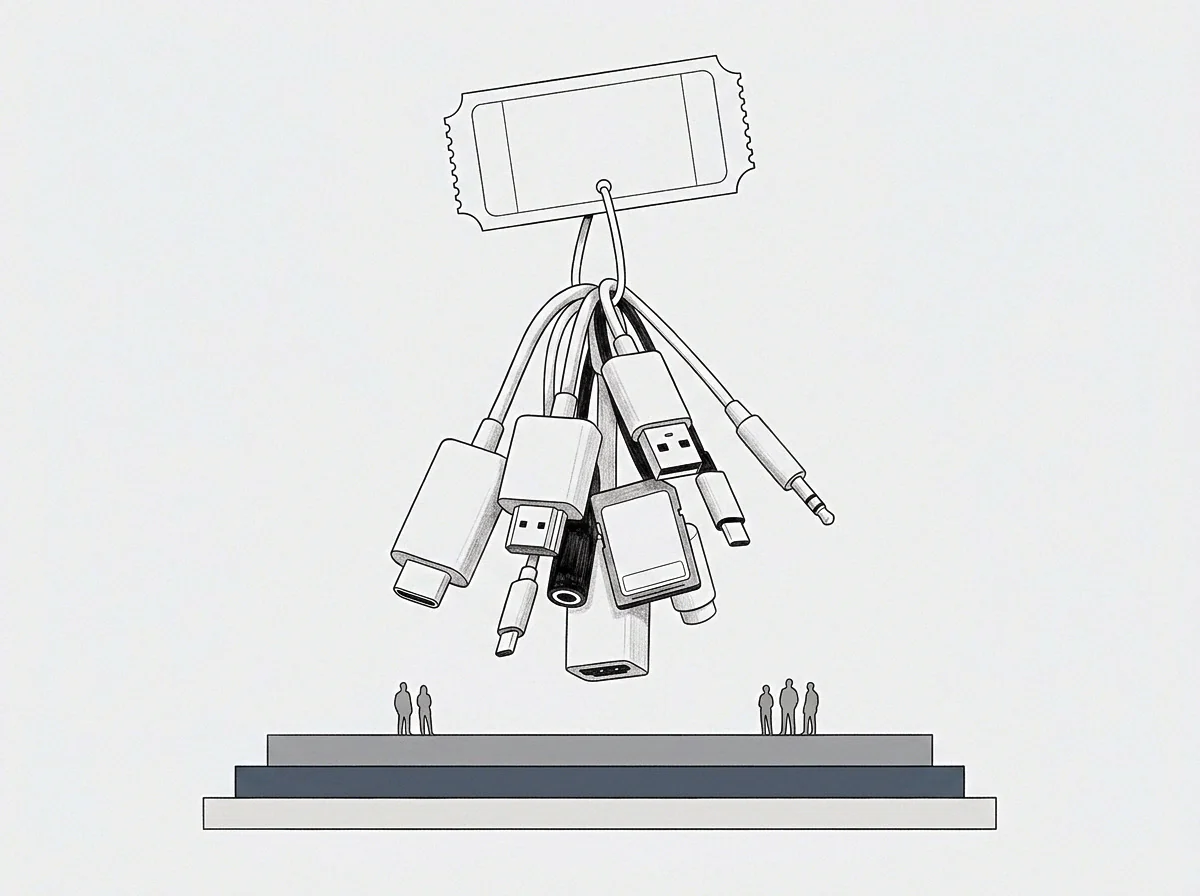
Unpriced technical contributions convert into corporate shares by transferring proprietary code as property through board approved restricted stock grants.
The terms are written where they belong. Each field holds three desks, and every entry a desk writes raises the terms it uses, each term given a meaning, a mechanism and the places it appears. The record on these pages stays first person and hand made; the fields grow the nomenclature.