
Temporal Decay Rates Of Unreinforced Operational Terms Across Asynchronous Distributed Software Architecture Teams
Unreinforced architectural terms decay exponentially across remote engineering teams, causing interface drift that is arrested only by converting terms into executable code assertions.
Drift
Distributed software teams operating without real-time verbal synchronization rely on a shared vocabulary to align architectural intent across repositories. When an operational term—such as idempotent processing, eventual consistency, or zero-downtime migration—is introduced during initial design and left without continuous operational reinforcement, its underlying meaning degrades. Asynchronous distribution alters team vocabulary.
Engineers separated by time zones and ticket queues interpret abstract terms through local service contexts rather than original system design parameters.
The decay rate of an unreinforced operational term correlates directly with the spatial and temporal isolation of the engineers executing the implementation. Human memory privileges recent context over past design documentation. Without automated enforcement mechanisms in code, verbal agreements lose precision as team members make local optimizations to meet sprint deadlines.
Asynchronous Isolation and Vernacular Erosion
System architects often assume that a term defined once in a design review retains its meaning indefinitely across distributed sub-teams. Empirical observation of software engineering organizations shows that unreinforced definitions undergo semantic shifting within three to six months of introduction. The consensus dissolves quietly.
The primary cause is the absence of daily conversational feedback loops that prune divergent definitions before they solidify into code.
In asynchronous environments, communication occurs primarily through asynchronous text pull requests, pull request reviews, and issue tracker comments. These formats encourage task-specific discussion rather than systemic concept validation. An engineer implementing a retry mechanism under isolation defines idempotency to fit the immediate storage engine rather than the global distribution contract.
Silent assumptions replace explicit terms.
Unreinforced operational terms decay into local interpretations whenever temporal isolation prevents daily alignment of execution primitives.
Erosion of Shared Invariants Across Distance
Architectural invariants are the boundary rules of a distributed system that preserve data integrity under failures. When these invariants are expressed purely as unreinforced operational terms, they degrade into loose guidelines. The system design document states that a service maintains strict read-after-write consistency, yet subsequent commits by remote engineers introduce read replicas that violate the temporal guarantee to reduce latency.
The decay accelerates when cross-team interactions become purely transactional. Instead of validating structural understanding, teams communicate through API endpoints and payload schemas. Documentation decays without enforcement.
The gap between the documented operational terms and the real behavioral characteristics of the deployed microservices expands until system failures occur at integration points.
Failing to lock operational terms into automated executable assertions forces distributed teams to spend engineering capacity resolving subtle behavioral incompatibilities during multi-service deployments.
Slate
Written specifications stored in static documentation systems fail to arrest semantic degradation over time. System architecture design records reflect the exact state of knowledge at the time of authoring, but they lack active mechanisms to prevent engineers from deviating from established definitions. The repository reflects past decisions.
Static design artifacts act as dead records when detached from the build process. As time passes, the likelihood that a team member consults the underlying architecture specification prior to committing code drops significantly. The written word remains immutable while the operational understanding of the engineering organization shifts around it.
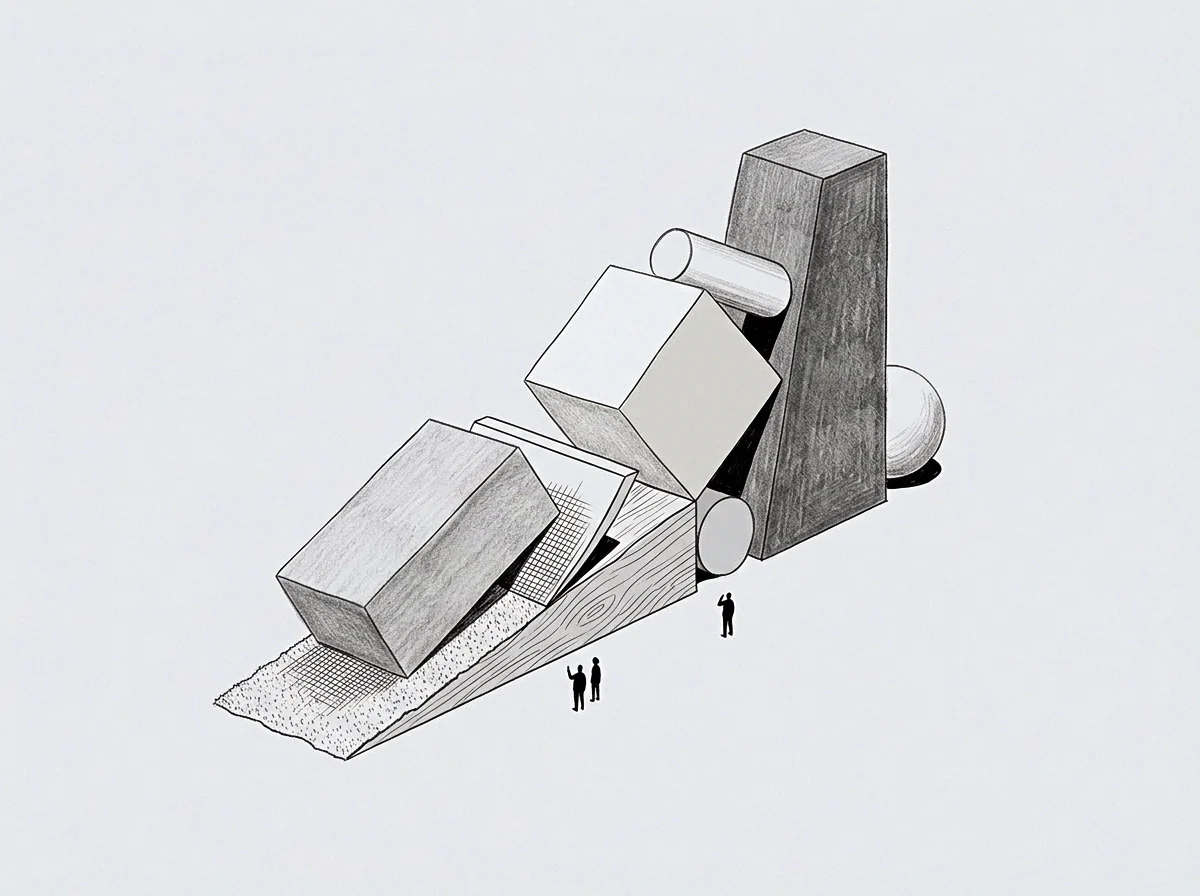
Why do distributed teams misinterpret shared interfaces?
Decentralized software development teams misinterpret shared interfaces because written terms lose context when separated from the execution environment. A term defined in an asynchronous design document relies on implicit context that dissipates as team membership changes. Without concrete test cases that enforce the term at the interface level, engineers substitute their own assumptions for the missing operational details.
Documentation search engines exacerbate this detachment by presenting historical design decisions alongside active operational patterns. Engineers retrieve older versions of operational definitions, failing to recognize that subsequent unwritten operational changes rendered the documented definitions obsolete. Interfaces break at boundary edges.
Static documentation captures the historical intent of an architectural contract without preserving its active operational meaning across team turnover.
The decay of unreinforced terms within asynchronous architectural documentation exhibits distinct operational failure modes:
- Semantic Mutation occurs when an operational term expands to encompass conflicting behaviors across different service teams without explicit architectural approval.
- Documentation Rot characterizes written architecture records that retain outdated terminology while deployed software relies on unwritten operational changes.
- Contextual Disconnect arises when remote engineers apply operational terms within regional runtime conditions that violate global architectural assumptions.
- Implicit Dependency Injection emerges when teams introduce unstated technical requirements based on assumed operational terms rather than explicit interface definitions.
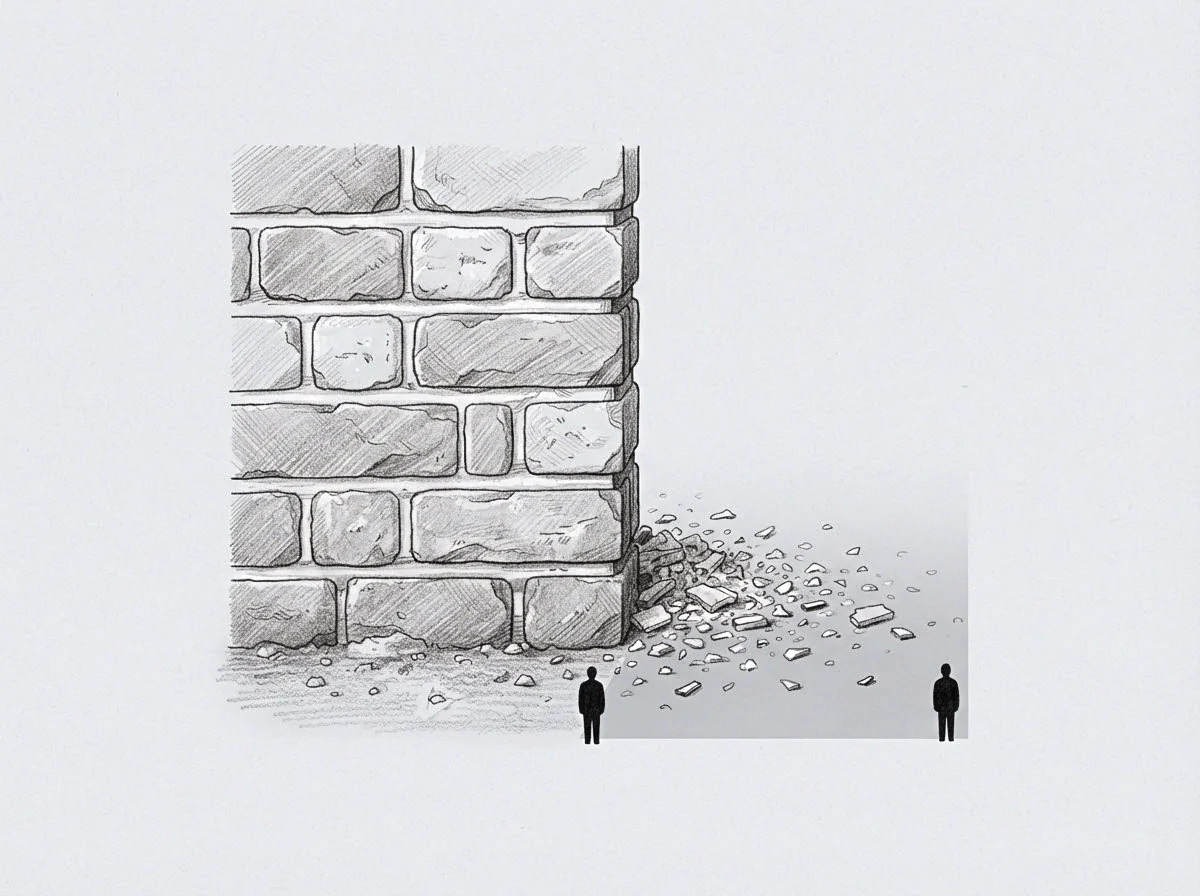
Documentation Repositories as Static Monuments
The practice of relying on static architecture repositories to maintain operational alignment across remote teams creates a false sense of structural security. Architecture boards produce detailed records, file them in centralized knowledge stores, and consider the governance work finished. The software build toolchain remains completely unaware of these written constraints.
Because static records cannot reject a pull request or break a continuous integration build, engineers treat them as non-binding guidance. Operational terminology becomes an abstract reference material rather than an active engineering constraint, ensuring that temporal decay proceeds unchecked across asynchronous work streams.
The original design specifications guaranteed message delivery order, but the receiving service was constructed assuming unordered delivery because no automated test enforced the requirement.

Interval
Measuring the decay rate of operational terms requires evaluating the time elapsed between initial term definition and the occurrence of architectural drift in production code base branches. Memory retains only recent context. Operational terms experience a measurable half-life inside asynchronous software development organizations, decaying exponentially as team turnover and temporal distance increase.
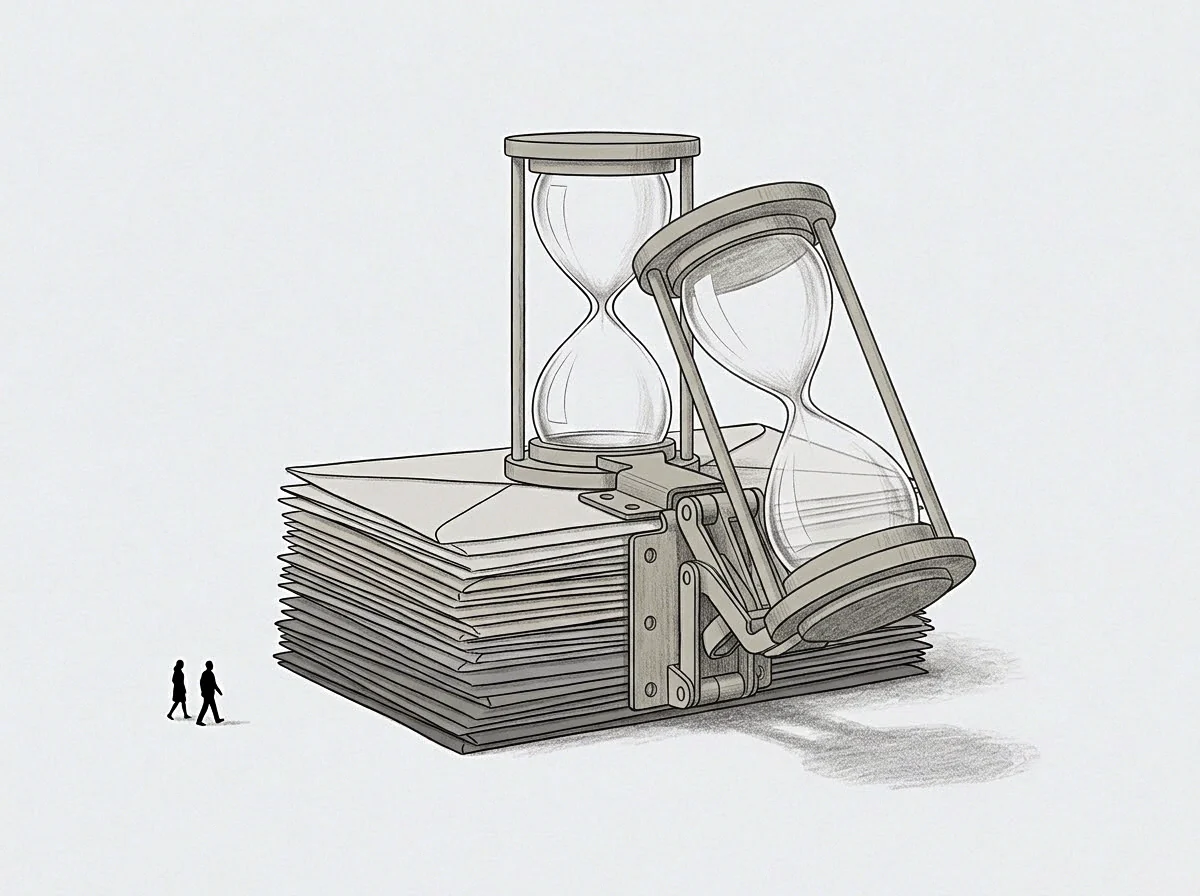
Quantifying Half-Life in Distributed Architecture
The structural decay rate of an unreinforced operational term can be modeled as a function of asynchronous delay, team churn rate, and code base modification velocity. A high rate of team rotation rapidly reduces the proportion of engineers who participated in the original term definition. Without active reinforcement, the half-life of a complex operational term across an asynchronous remote team averages less than four engineering sprints.
Temporal distance amplifies this decay rate. When engineering sub-teams operate across wide time zone differences, real-time clarifying conversations are replaced by asynchronous text exchanges. Asynchronous text communication suffers from high information loss regarding edge cases and implicit system boundaries, accelerating the divergence of operational terminology.
| Architectural Parameter | Unreinforced Operational Term | Code-Enforced Primitive |
|---|---|---|
| Decay Half-Life | 2 to 4 Engineering Sprints | Infinite (Bounded by Build Pipeline) |
| Verification Cost | High (Manual Code Audits) | Zero (Automated CI Execution) |
| Integration Failure Probability | Elevated Over Time | Deterministic and Zero at Compile Time |
| Ambiguity Threshold | Subjective to Local Developer Context | Strict (Binary Pass or Fail Assertion) |
Structural Variables Accelerating Term Degradation
The velocity of code modification directly influences how fast unreinforced operational terms decay. High-velocity code bases with frequent commits create numerous opportunities for semantic drift. Every new pull request introduces minor micro-decisions that either reinforce or dilute the original architectural intent.
When code bases scale rapidly without accompanying automated contract tests, local refactoring efforts systematically chip away at original system invariants. Unstated expectations create integration debt. The speed of feature delivery masks the structural rot until cross-service integration testing reveals deep architectural mismatches across distributed system boundaries.
Binding operational definitions to static type systems and executable test suits halts temporal decay by converting subjective terminology into immutable compile-time validation rules.
Fault
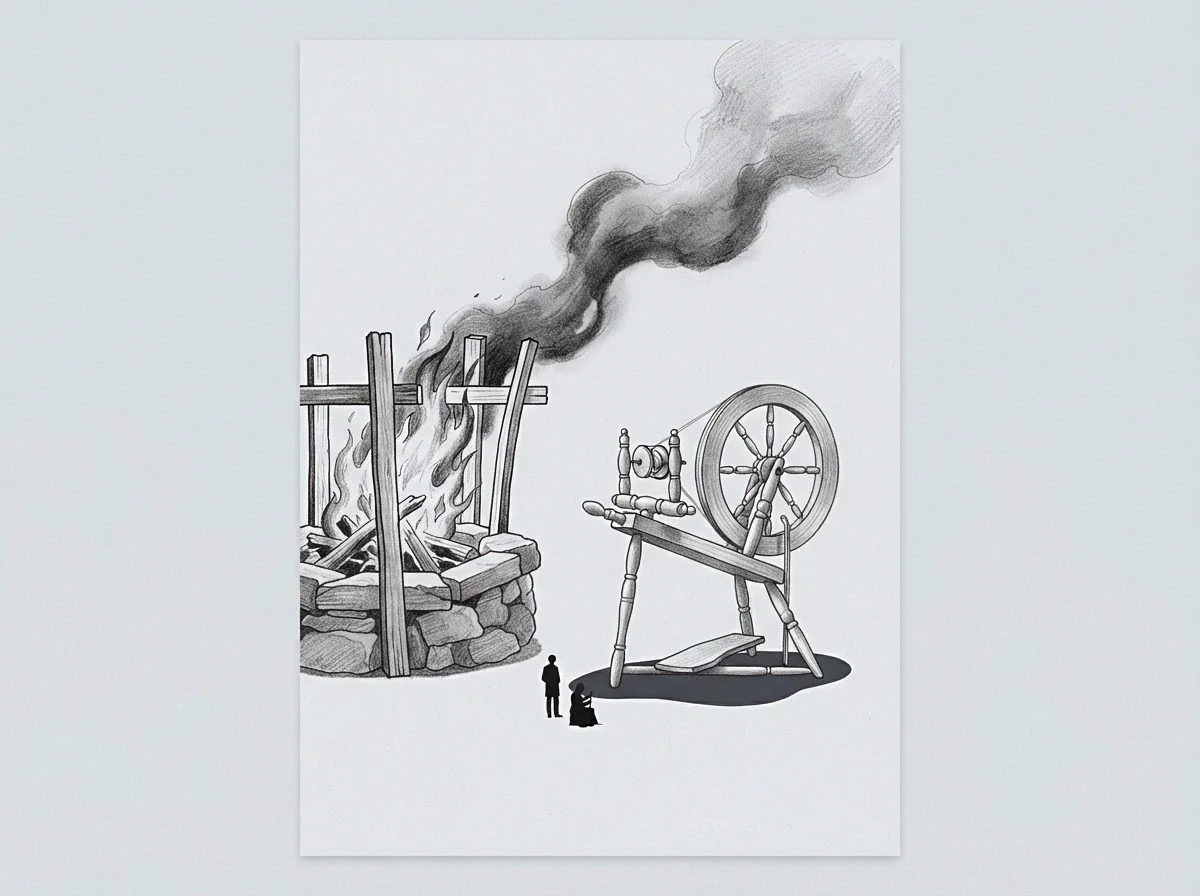
The degradation of unreinforced operational terms inevitably leads to psychological contract breach between system architects and execution teams. System architects expect implementation engineers to honor the original operational terms, while implementation engineers assume their local interpretations represent valid adaptations of loose guidelines. The gap manifests as operational failure during system integration.
This breach incurs severe financial and structural costs. Engineering capacity shifts from building value to triaging subtle integration bugs that stem directly from misaligned operational definitions. The friction reduces organizational trust across asynchronous teams, leading to increased overhead in governance and design review meetings.
Covert Expectations and Psychological Contract Breach
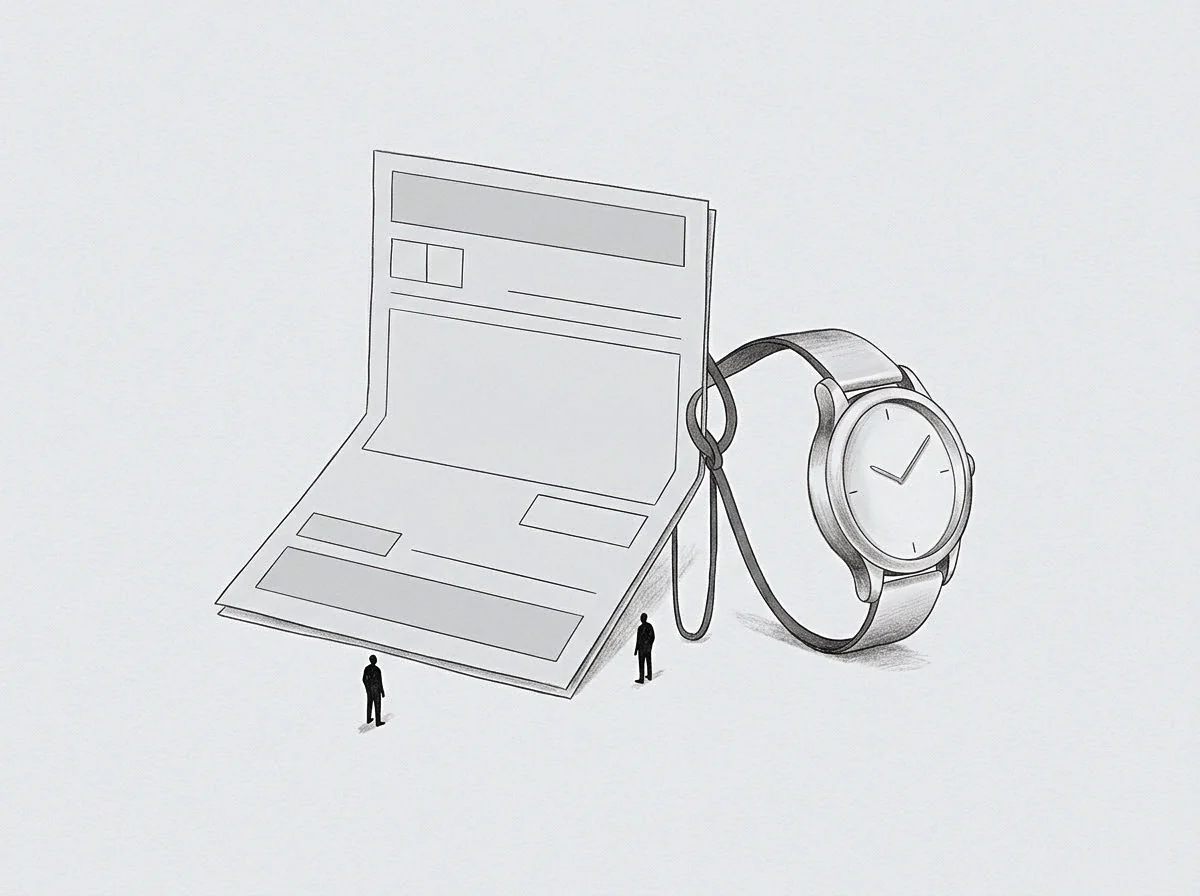
When operational terms decay, covert contracts replace explicit architectural alignment. An architect holds an unstated expectation that a remote team will handle service degradation using specific circuit breaker patterns. The remote team, having received no active reinforcement or executable constraints regarding the circuit breaker term, implements a simple retry loop that inadvertently causes cascading system failures.
The architect views the implementation as a breach of system design principles. The implementation team views the failure as an unstated requirement billed against their performance after the fact. Stating a term once without automated enforcement creates covert expectations that inevitably bill the organization through integration failures.
Unstated architectural expectations transform original design intentions into covert contracts that bill engineering teams during production outages.
The Financial and Operational Bill of Delayed Alignment
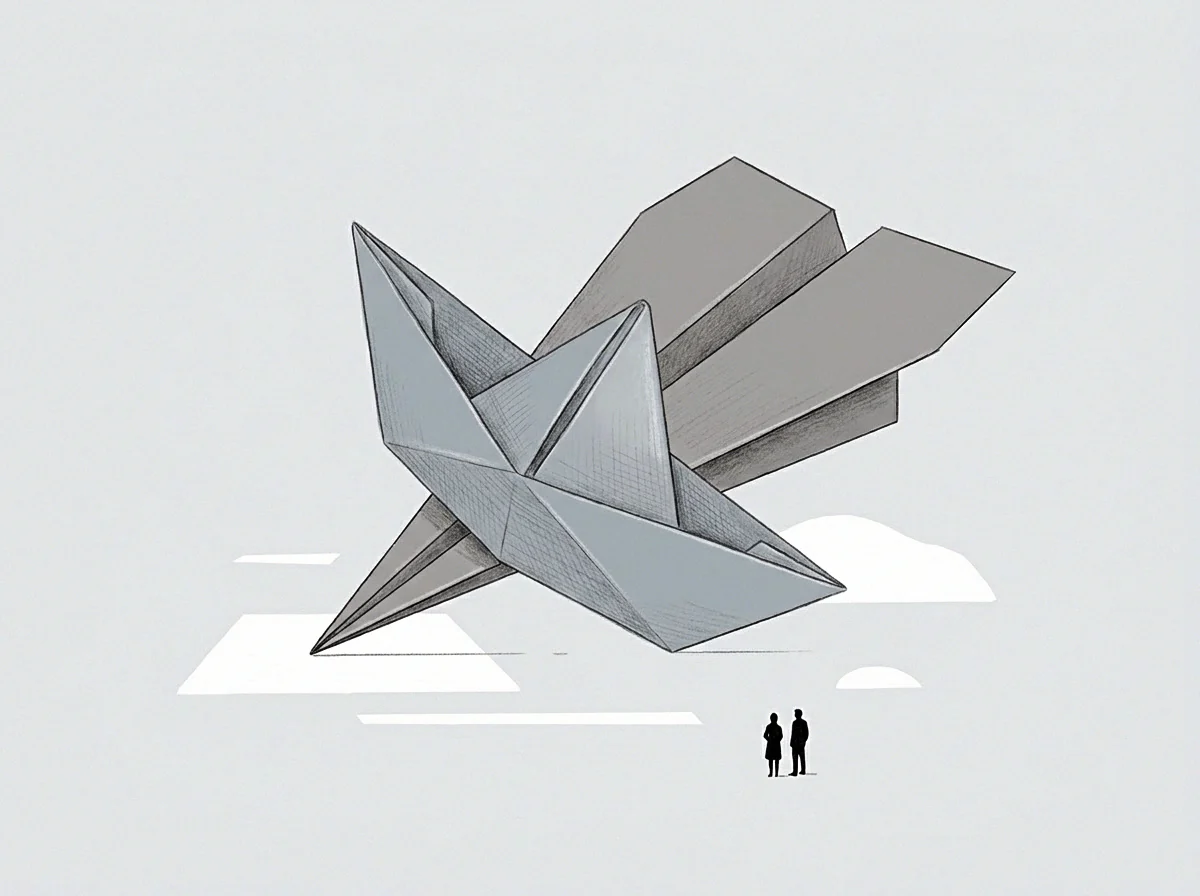
The financial cost of unreinforced operational term decay manifests late in the software development lifecycle. Rectifying architectural misalignment at the pull request stage requires minimal engineering effort. Resolving conflicting interpretations of operational terms after services are deployed across multi-region infrastructure costs orders of magnitude more in engineering hours, data remediation, and potential customer service downtime.
Execution costs outpace verbal agreement. Organizations that tolerate unreinforced operational terms pay an ongoing tax in the form of elongated integration cycles, complex debugging sessions across team boundaries, and reactive refactoring initiatives. The operational overhead eventually consumes the capacity intended for new architectural development.
What structural mechanism ensures that remote sub-teams maintain identical operational interpretations of distributed state guarantees without requiring real-time verbal architecture reviews?
Primitive
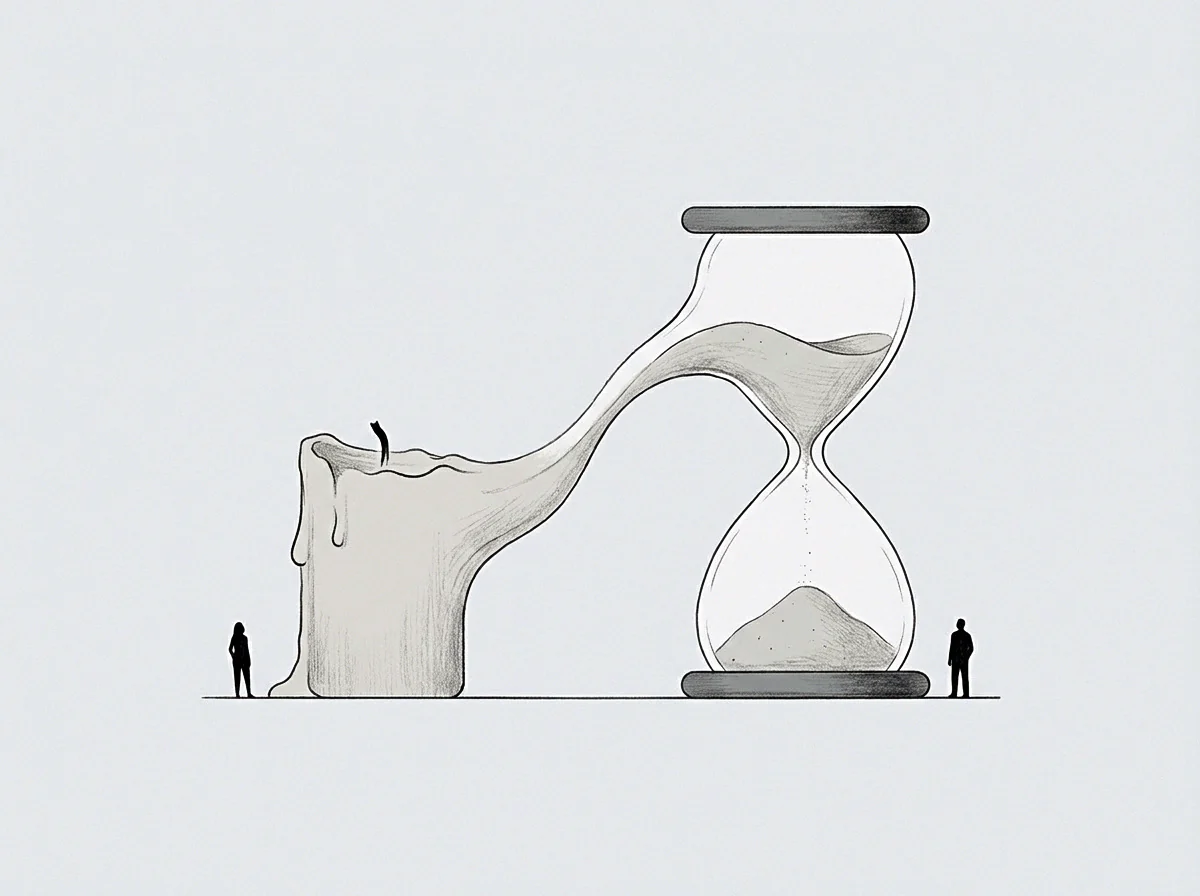
To eliminate the temporal decay of operational terms across asynchronous software architecture teams, organizations must transition from verbal and written agreements to code-enforced operational primitives. Converting abstract terms into concrete programming constructs removes human memory and temporal isolation from the governance equation. The compiler rejects ambiguous types.
Operational primitives translate architectural definitions directly into code types, schema validations, and automated integration suites. Tests preserve intended system behavior. When an operational constraint is built directly into the build pipeline, semantic drift becomes impossible because invalid interpretations fail compilation or automated testing stages immediately.
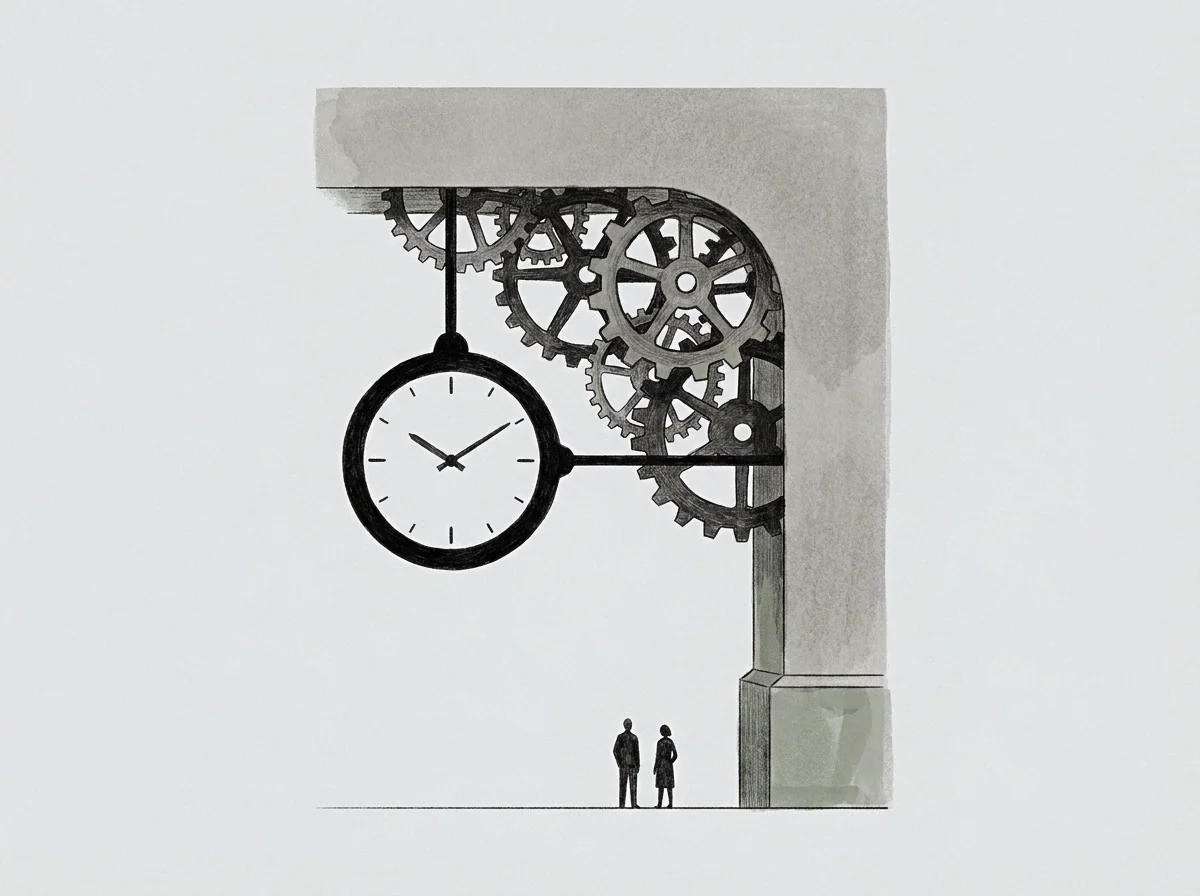
Converting Verbal Terms into Code Assertions
System architects replace decaying operational terms by expressing system invariants as reusable code components, type wrappers, and linters. If idempotency is an essential operational term for a distributed system, the system architecture team provides a mandatory idempotency middleware module rather than a written specification document. Position determines operational clarity.
The code artifact acts as the definitive operational term. Remote engineers do not interpret how to implement the term; they consume the primitive directly within their service repositories. Code enforces what language leaves loose.
Any attempt to modify the underlying operational logic triggers automated build failures, preserving architectural integrity across time and space.
System invariants expressed as executable build constraints survive temporal isolation and team turnover without semantic degradation.
Establishing operational primitives across asynchronous distributed engineering teams requires a systematic transition sequence:
- Invariant Identification isolates core operational terms within system specifications that govern cross-service communication and temporal consistency guarantees.
- Primitive Extraction converts identified operational terms into static type systems, shared library abstractions, or schema validation contracts.
- Continuous Verification embeds extracted primitives into automated continuous integration pipelines to execute assertion checks on every code commit.
- Automated Deprecation enforces mandatory upgrades of shared primitives to prevent distributed sub-teams from pinning legacy operational definitions.

Establishing Architectural Invariants at Build Time
Moving architectural governance from human reviews to automated build checks transforms distributed system development. Architects shift their focus from monitoring team compliance with written definitions to designing robust, reusable operational primitives. Asynchronous teams gain velocity because interface expectations are explicitly enforced by runtime contracts and type systems rather than vague documentation.
Unreinforced operational terms decay rapidly, but executable code constraints remain perfectly preserved across asynchronous distributed software architecture teams.
Operational clarity scales with automated build assertions rather than recurring architectural alignment meetings.