Meaning
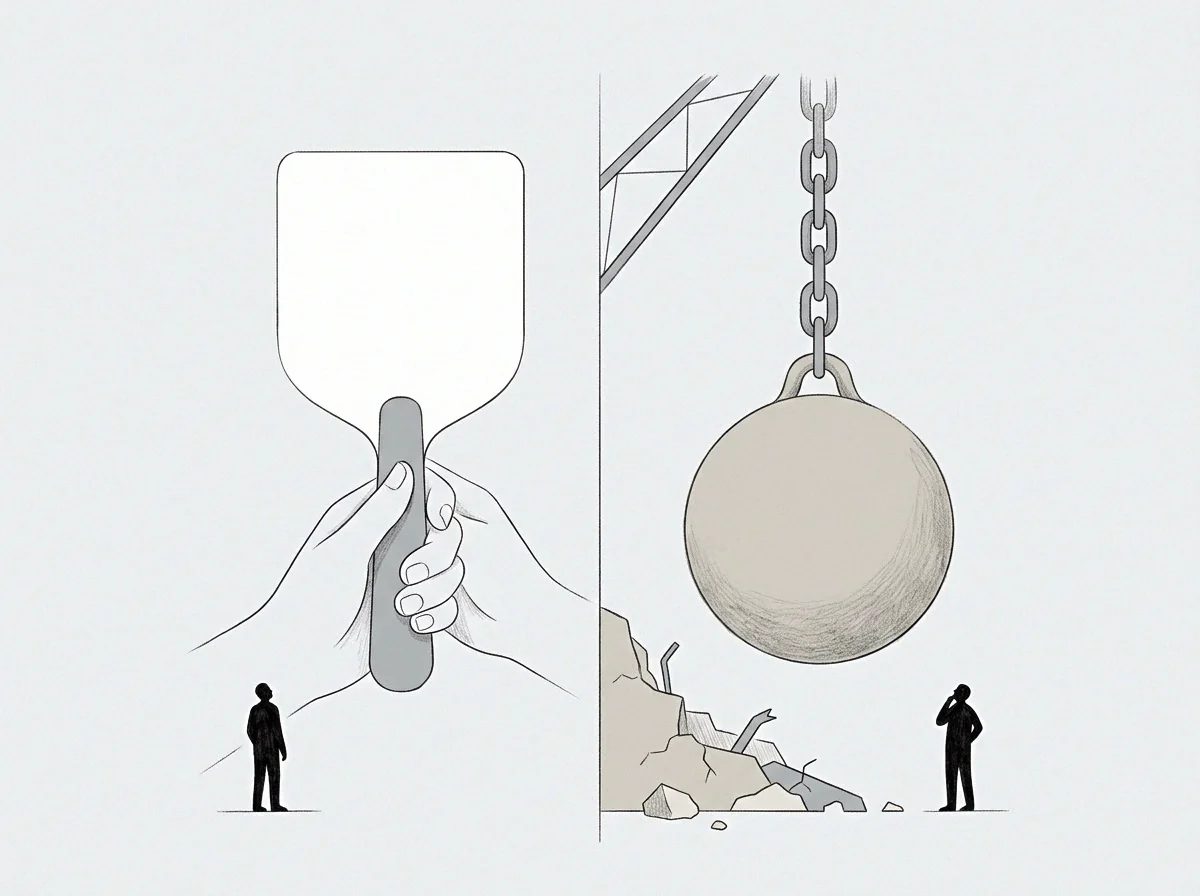
Perceived betrayal occurs when the informal promises and trust of a partnership are felt to be broken. This psychological contract breach goes beyond the terms of a legal document and touches on the expectations of loyalty and mutual support. It can occur even when no literal rule has been broken, as long as a person feels that a silent promise has been ignored.
Subjective Expectation
Every person brings their own set of beliefs about what is fair and what is expected of them in a work setting. A psychological contract breach happens when these beliefs are violated, such as when a founder is sidelined from a decision they expected to be part of. The lack of a formal agreement makes these issues difficult to resolve because the terms of the deal were never explicitly stated.
This ambiguity creates a gap between what was intended and what was understood by each party.
Emotional Response
Feelings of anger, disappointment and a loss of commitment are the typical results of this perceived failure. This psychological contract breach can lead to a significant drop in productivity and a desire to leave the organization. The damage to the relationship is often permanent.
Preventative Measure
Encouraging open communication and being as transparent as possible about the future of the company can help to avoid these misunderstandings. While a psychological contract breach cannot always be prevented, a culture that values honesty and clarity is less likely to suffer from its effects. Founders must be aware of the silent promises they make and the expectations they create in the minds of their partners and employees to ensure long term stability.