Meaning
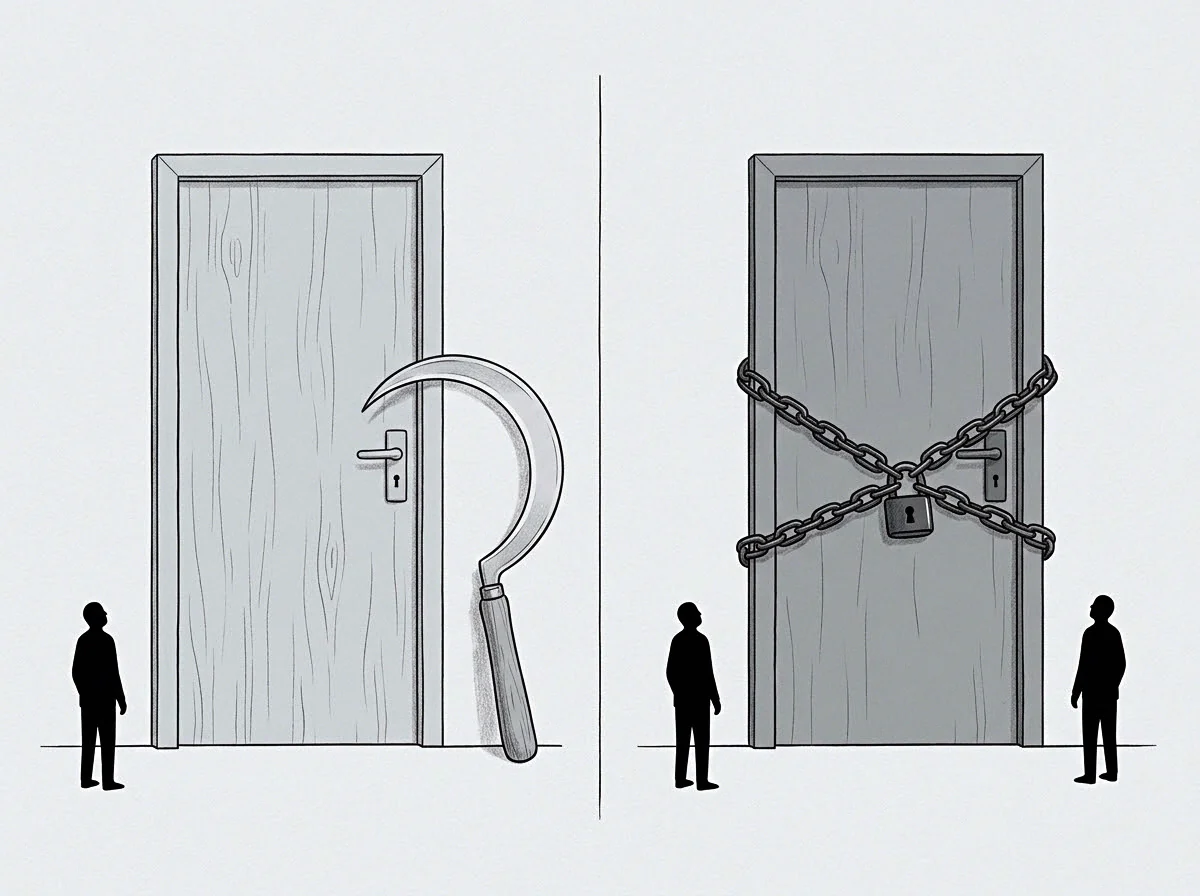
Dispute resolution mechanisms in legal agreements assign final decision-making power to external neutrals when internal governing bodies reach an impasse. An independent tiebreaker is a designated neutral third party or arbitrator empowered by contract or corporate charter to cast a decisive vote during board or shareholder deadlocks. Unlike traditional directors or founders, this neutral entity holds no equity stake or ongoing employment relationship with the enterprise.
Incorporators and joint venture partners establish this mechanism to prevent operational paralysis during governance splits over major decisions such as budget approvals, executive appointments, or corporate sales. The neutral authority functions strictly within pre-defined contractual parameters when formal deadlocks occur.
Selection Standards
Charter agreements specify qualification criteria and appointment procedures for neutral decision makers. Parties selecting an independent tiebreaker require candidates to possess industry expertise, financial literacy, and absolute freedom from commercial conflicts of interest. Establishing qualification standards beforehand avoids procedural disputes over arbitrator neutrality when deadlocks arise.
Authority Thresholds
Governance charters strictly limit the scope of decisions subject to external arbitration. An independent tiebreaker typically intervenes only after internal board negotiations reach formal deadlocks declared under specific procedural rules. Limiting intervention to predefined operational deadlocks preserves ordinary management autonomy while providing a clear mechanism for breaking deadlocks.
Impasse Prevention
Knowing that an external party holds binding vote power alters internal negotiation behavior among board members. Factions facing an independent tiebreaker tend to compromise during disputes to retain control over strategic outcomes. This pressure prevents unpredictable rulings from outside arbitrators.