Meaning
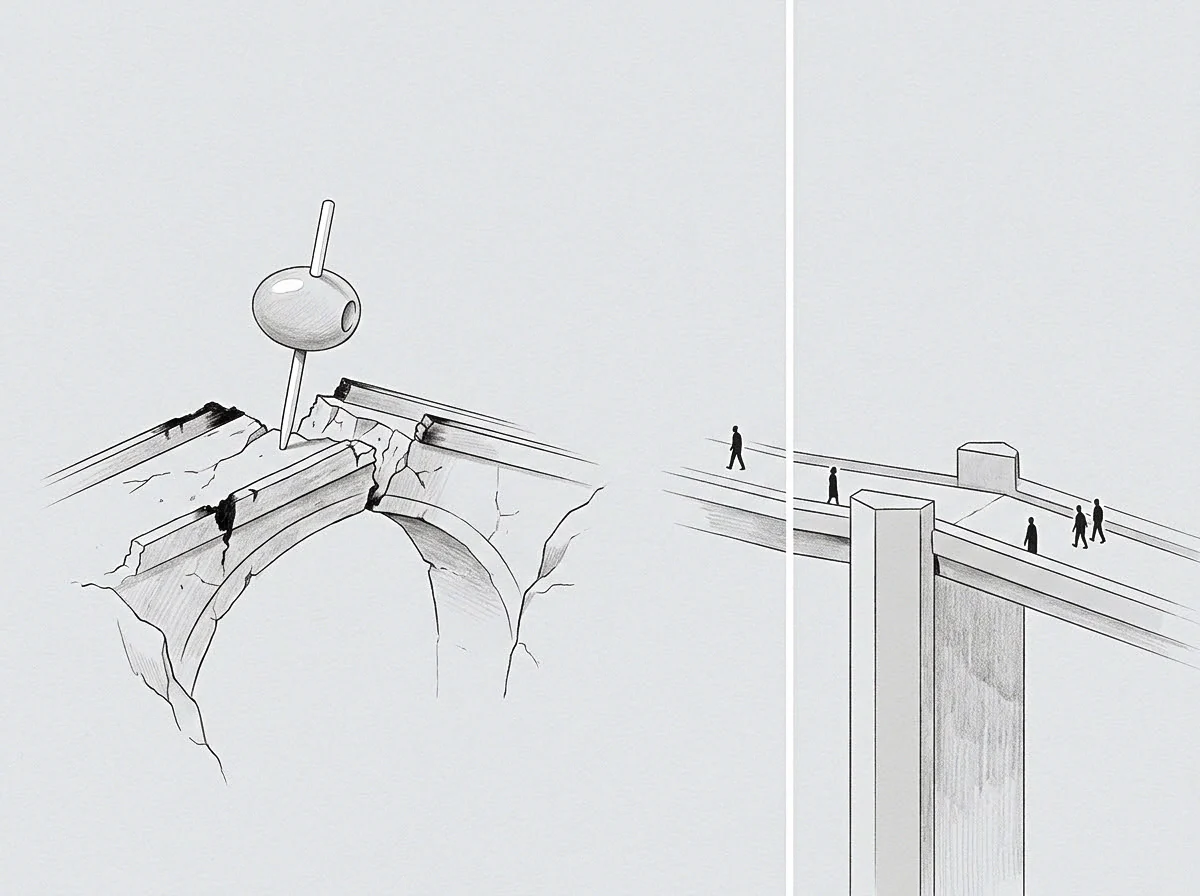
Investment provisions require existing backers to participate in subsequent funding rounds to retain their preferential rights. A pay to play clause is typically triggered when capital is needed to sustain the entity.
Participation Requirement
Capital calls ensure that those with the most to gain continue to support the venture during difficult periods. When a pay to play provision is active, the board sets a minimum contribution level for each shareholder. This ensures the company reaches its funding target by relying on the commitment of its current cap table.
Sanction Mechanism
Loss of seniority occurs for those who choose not to invest further. The pay to play mechanism typically converts preferred stock into common stock for non participating investors. This conversion removes liquidation preferences and voting rights, reducing the potential return for the passive holder.
Capital Efficiency
Raising funds from known sources reduces the time and attention spent on external marketing. A pay to play structure stabilizes the financial position by securing internal commitments before seeking outside capital. It also signals to future investors that the current backers maintain confidence in the long term prospects of the business.
By securing these internal funds, the company demonstrates its ability to survive without immediately relying on the external market. This internal support is often viewed as a requirement by new institutional partners before they commit their own resources to the venture.