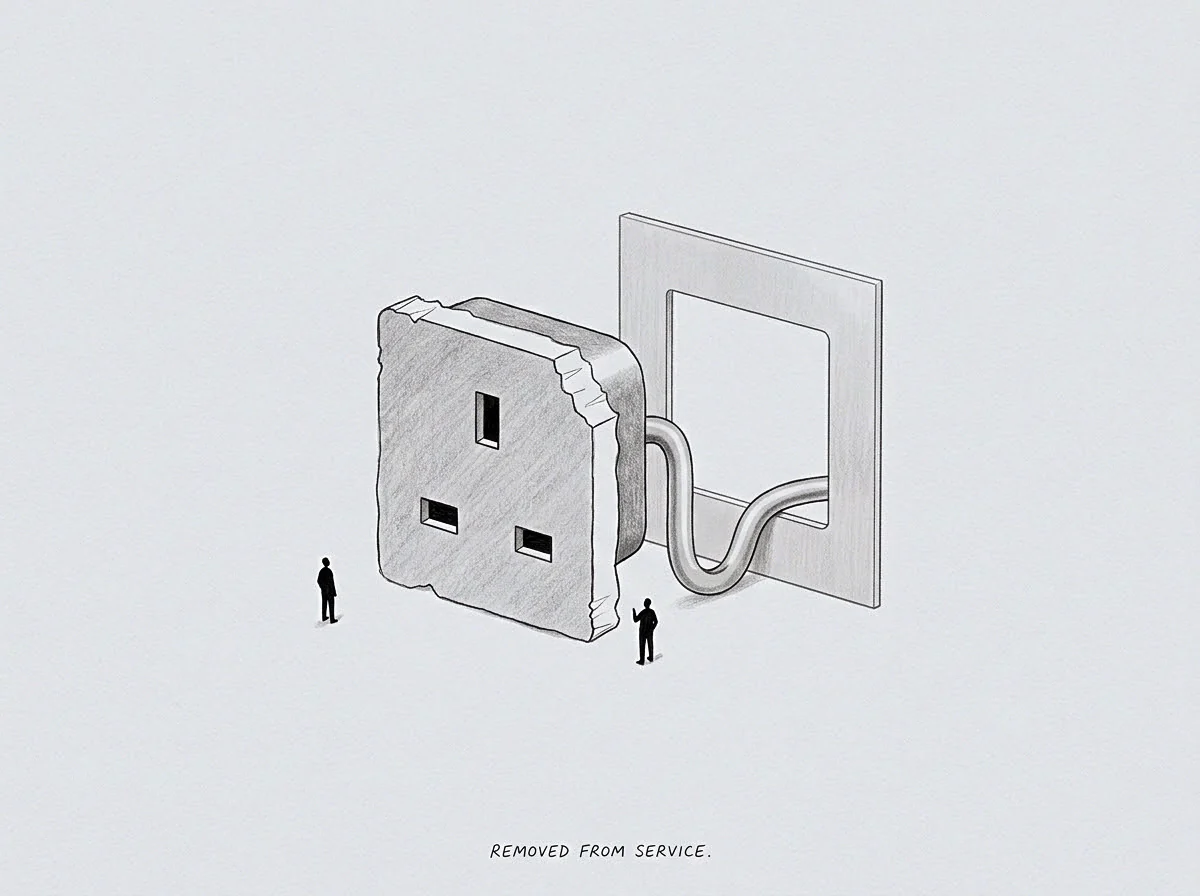
Meaning
Distance between an individual and their professional role allows for more objective evaluation of business outcomes. For a founder, professional detachment provides the clarity needed to evaluate the business as an asset rather than an extension of themselves. It governs the ability to accept criticism, fire underperforming staff, or pivot away from a failed idea.
The boundary exists where detachment becomes apathy or a total lack of commitment.
Separation Distance
Separation of personal ego from the performance of the firm reduces the emotional cost of setbacks. When professional detachment is practiced, a founder can view a failed product launch as a data point rather than a personal defeat.
Defining Role
Defining the difference between the person and the position prevents the confusion of personal needs with business requirements. A founder who achieves professional detachment can step down as CEO when the company needs a different type of leader. This transition is difficult when the identity of the person is entirely fused with the company.
Clear roles lead to better governance and smoother succession planning. It protects the legacy of the founder by ensuring the company outlasts their tenure.
Emotional Neutrality
Emotional neutrality improves the selection of strategies and partners. By using professional detachment, a leader avoids making choices based on pride or a desire for external validation. Decisions are instead based on what will increase the value of the enterprise and satisfy the terms of the shareholders.