

Tax Implications and Section Eighty Three B Election Risks in Dynamic Co Founder Equity Reallocations
Dynamic equity reallocations trigger immediate ordinary income taxes under Section 83, voiding initial 83(b) protections on later share transfers.
Dynamic equity reallocations trigger immediate ordinary income taxes under Section 83, voiding initial 83(b) protections on later share transfers.

Performance-contingent equity allocation releases ownership to early participants only when verified commercial or technical deliverables are met.

Informal early venture contributions separate from equity claims by converting unquantified relational labor into formal advisory contracts or cash settlements.

Unrecorded technical labor converts to senior equity by booking unpaid services as corporate debt and exchanging it for preferred stock before recapitalization.

Equity vesting allocates enterprise ownership over time through reverse repurchase rights, protecting capitalization tables against premature partner departures.
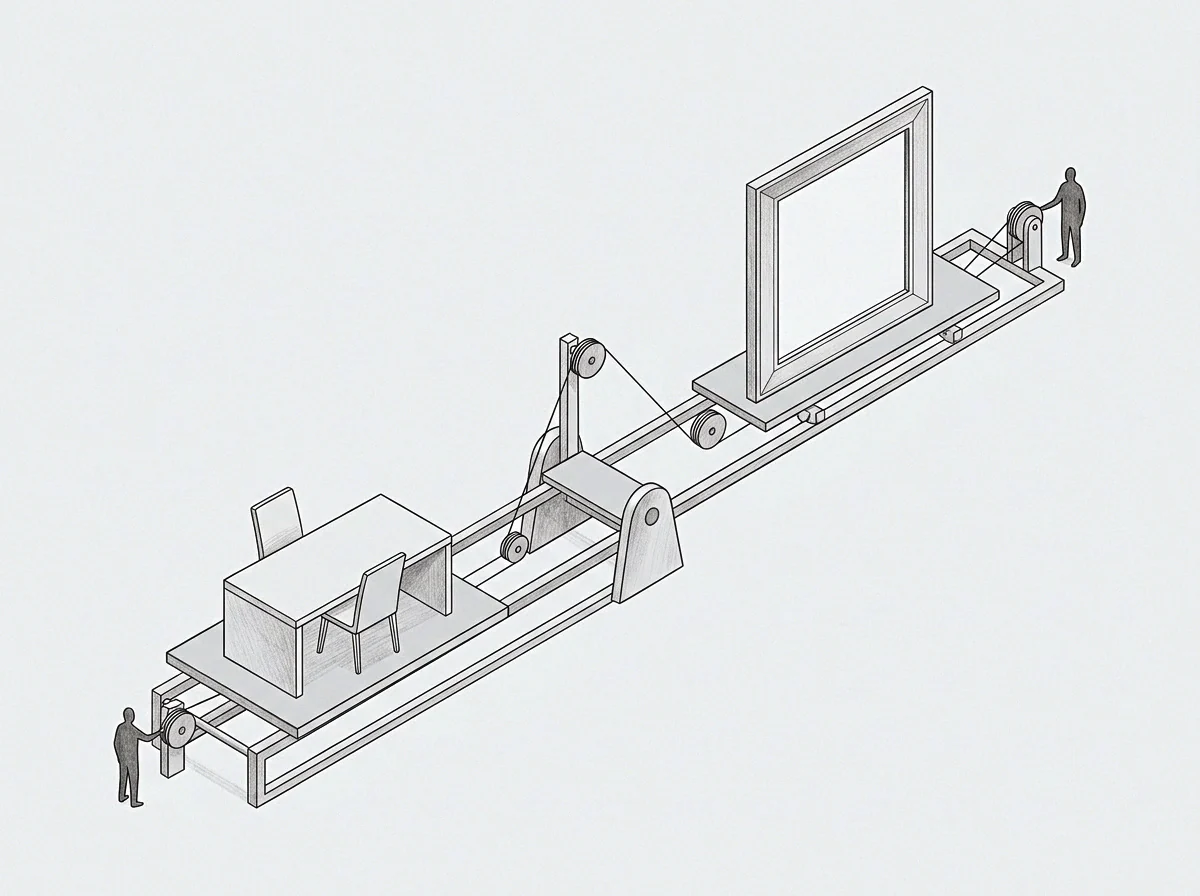
Dynamic equity allocation replaces unstated relational assumptions with calculated input tracking, exposing psychological contracts to legal precision.

Pre-incorporation labor converts to equity through intellectual property assignments and backdated vesting commencement dates rather than past-service grants.

Converting accrued sweat equity into priced common equity requires formal liability recognition, tax-aligned grant structures, and complete legal releases.

Metric contingent share clawbacks enforce equity forfeiture through objective operational benchmarks, third-party verification, and escrow cancellation terms.

Early contributor claims are resolved before venture rounds by converting informal labor into signed invention assignments through clear consideration.

Equity adjustment mechanisms reallocate ownership shares, class rights, and control structures to align enterprise governance with operational capital demands.

Early compensation conversion triggers extinguish accrued wage debt through predetermined financing milestones, replacing informal scores with defined equity.

Unstated labor expectations accumulate as covert governance debt that must be quantified through market wage gap analysis before converting into voting control.

Operational stage transitions require formal equity recalibration mechanisms to reallocate unvested shares from past founders to active executive leaders.

Predetermined valuation mechanisms use formula baselines, final-offer arbitration, and multi-appraiser averages to price equity without bilateral conflict.

Early unpaid labor becomes an enforceable corporate liability when documented as subordinated deferred promissory notes with stated repayment triggers.

Unstated sweat equity converts into formal vesting by auditing historical assets, crediting tenure against forward schedules, and binding IP to the firm.

Early co-founder conflict emerges when unstated operational expectations form covert contracts that breach without legal remedy upon divergence.

Asset assignments convey completed historical property for vested stock, while service covenants bind ongoing performance under forward vesting terms.

Retrospective equity clawbacks resolve only when informal contribution grievances are replaced by structured legal buybacks separating control from economic upside.

Corporate cap table adjustments resolve contribution fractures by executing formal share redemptions backed by mutual releases and legal consideration.

Unstated co-founder expectations raise governance risk premiums, directly lowering enterprise valuation multiples and slowing operational growth velocity.

Equity recalibration converts uncompensated operational service into forward vesting compression, milestone grants, or debt notes with full wage releases.

Unilateral capital restructuring destroys discretionary operational capacity by breaching tacit psychological bargains, requiring explicit terms to restore agency.

Unspoken expectations act as covert liabilities that erode founder relationships, requiring explicit term construction to measure alignment and prevent breach.

Dynamic equity reallocation models track early unpaid founder contributions using weighted multipliers to recalculate ownership until outside capital freezes the table.

Reallocating late-stage founder vetos requires replacing unilateral negative covenants with independent board committee fiduciary parameters.

Stating explicit governance boundaries before executive expansion prevents unwritten expectations from fracturing venture operational hierarchy.

Unstated decision rights generate covert contracts that inevitably breach when founders override executive autonomy during unmapped operational choices.

Institutional governance protocols resolve early contribution claims by auditing physical records, calculating uncompensated risk, and executing legal releases.
The terms are written where they belong. Each field holds three desks, and every entry a desk writes raises the terms it uses, each term given a meaning, a mechanism and the places it appears. The record on these pages stays first person and hand made; the fields grow the nomenclature.