Meaning
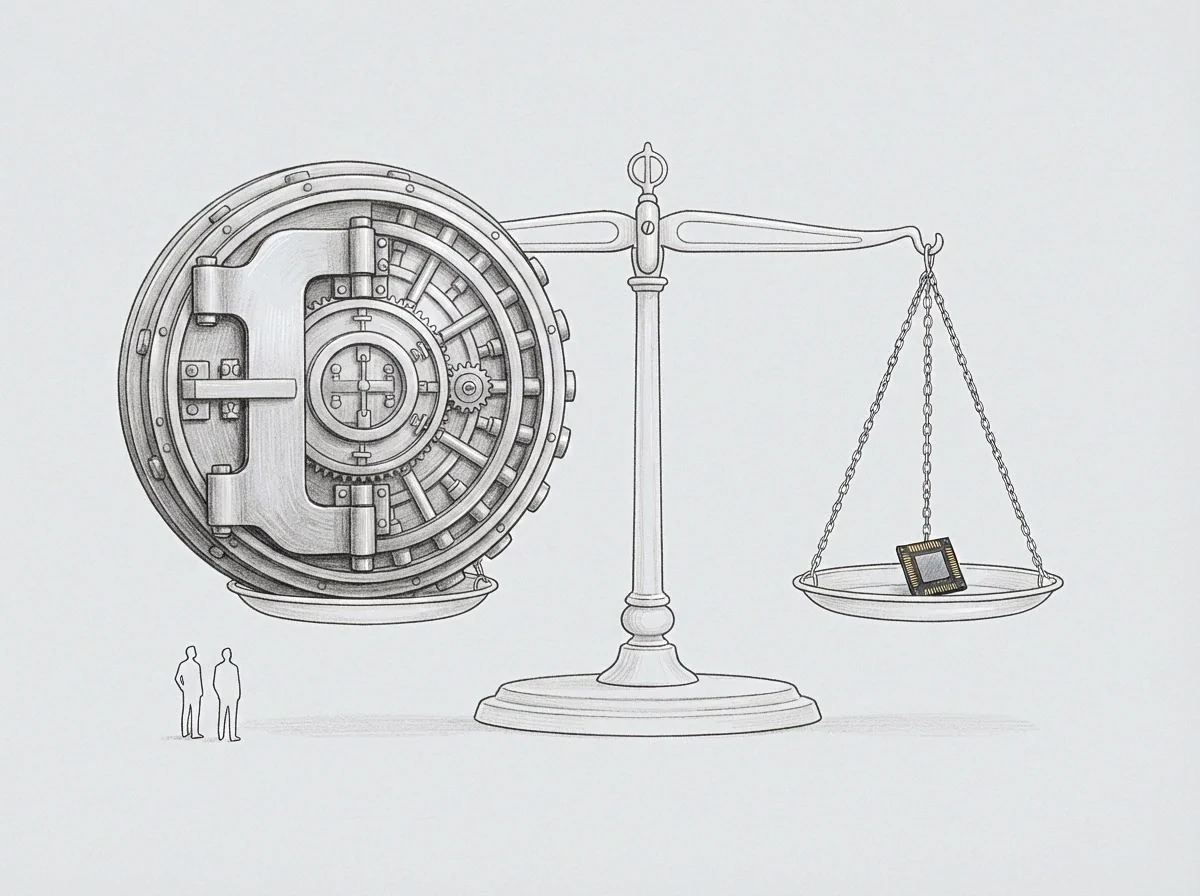
Inefficient distributions of share ownership where inactive founders, early employees who left, or passive investors hold substantial equity without contributing to current operations reduce the incentives for active contributors. This situation, known as dead equity overhang, occurs when a company has distributed too much stock to individuals who no longer support its growth. The presence of these passive holders limits the equity pool available to attract and reward new executive talent.
Incentive Failure
Employee motivation suffers when active workers realize that their efforts disproportionately benefit individuals who are no longer associated with the firm. The burden of a dead equity overhang means that those doing the day to day work hold too little of the upside, which increases turnover and lowers morale. This misalignment can stall product development and customer acquisition as the remaining team loses interest in building value for others.
Restructuring Process
Recapturing these inactive shares is a complex process that demands negotiation, share buybacks, or a complete recapitalization of the company. In situations involving a severe dead equity overhang, the board may offer to buy back the shares of departed founders at a discount or convert their common holdings into non voting instruments. If these negotiations fail, the company may have to execute a down round to dilute the inactive holders, which also harms the active team but resets the equity distribution to a healthier state.
This restructuring must be done carefully to avoid litigation from minority shareholders who might claim that the board has breached its fiduciary duty by restructuring the share classes to their detriment.
Future Funding
Venture capitalists and other institutional investors are reluctant to finance companies where too much equity resides with non productive holders. Before committing new capital, these investors will often require the company to resolve the dead equity overhang as a condition of the deal. This intervention ensures that the new investment goes toward funding active operations and rewarding the team that will actually deliver the expected growth.