Meaning
A governance impasse occurs when an equal distribution of shareholder or director votes prevents the passage of a necessary resolution. This voting deadlock forces a halt to corporate decision-making because the bylaws or state statutes require a majority to move forward with binding actions. The condition stops internal progress until the parties arrive at a prearranged tie-breaker or a legal remedy.
Structural Friction
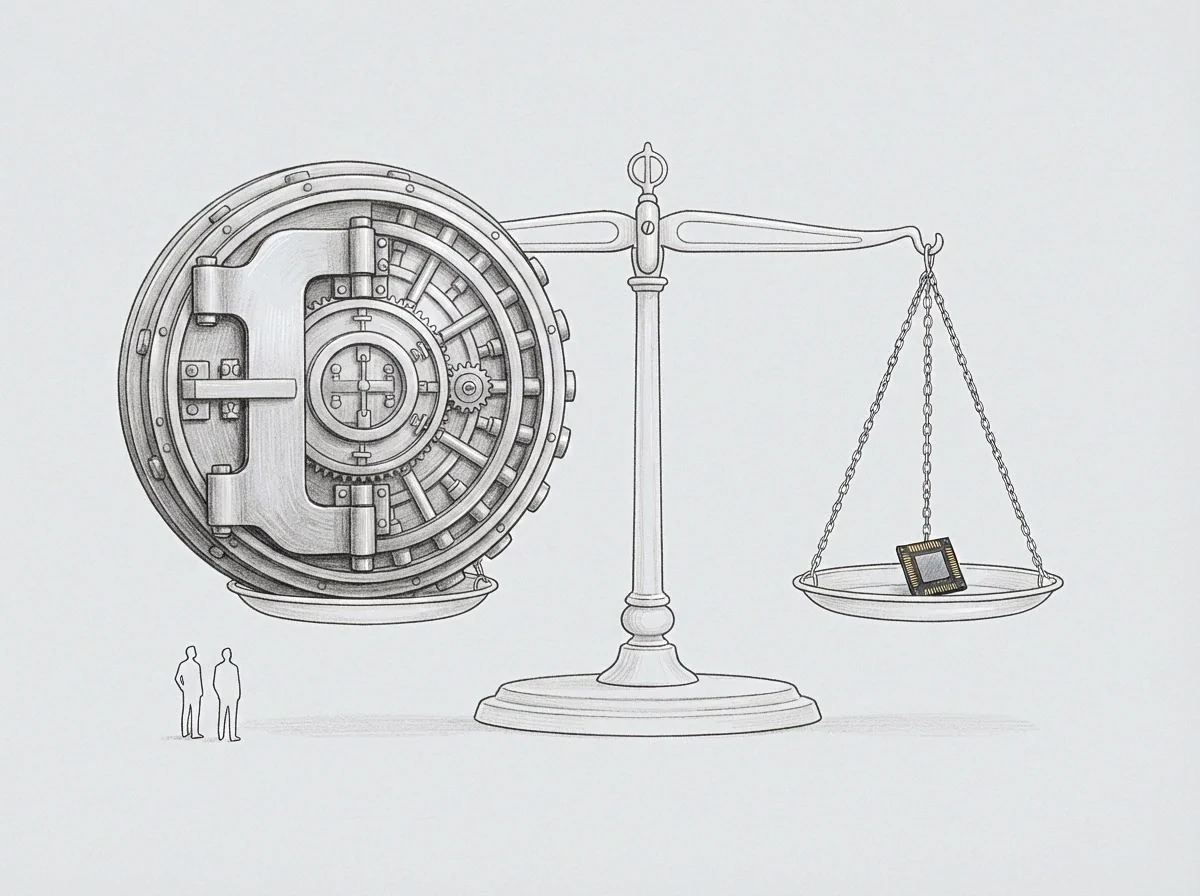
Owners rely on this state of non-action to protect minority interests from majority overreach. When the board reaches an even split, the inability to act ensures that neither faction can force through a policy without further negotiation. Such pauses generate a high internal cost in managerial attention and hours spent recalibrating the ownership agreement.
Investors build these thresholds into constitutional documents to ensure that certain categories of decisions demand total consensus.
Mechanism Operation
Parties escape this suspension of authority by invoking defined exit clauses or neutral arbitration procedures written before the impasse began. Each side identifies a specific path to resolution, such as a buy-sell agreement or the appointment of an independent tie-breaking director, to resume corporate functions. This mechanism functions as an insurance policy against perpetual paralysis by turning a static vote into a shift toward external mediation.
The process keeps the entity from dissolution by offering a predictable sequence for settling irreconcilable disagreements.
Resolution Cost
Stakeholders accept a reduction in operational speed as the trade-off for the safety these voting constraints provide. Direct costs arise from the legal fees required to trigger the next stage of the shareholder agreement. Professional consultants often bill for the hours dedicated to managing the transition from an inactive board to a functional one.
The price paid by the participants involves both an immediate drain on treasury resources and a longer period of uncertainty regarding future strategy.