Meaning
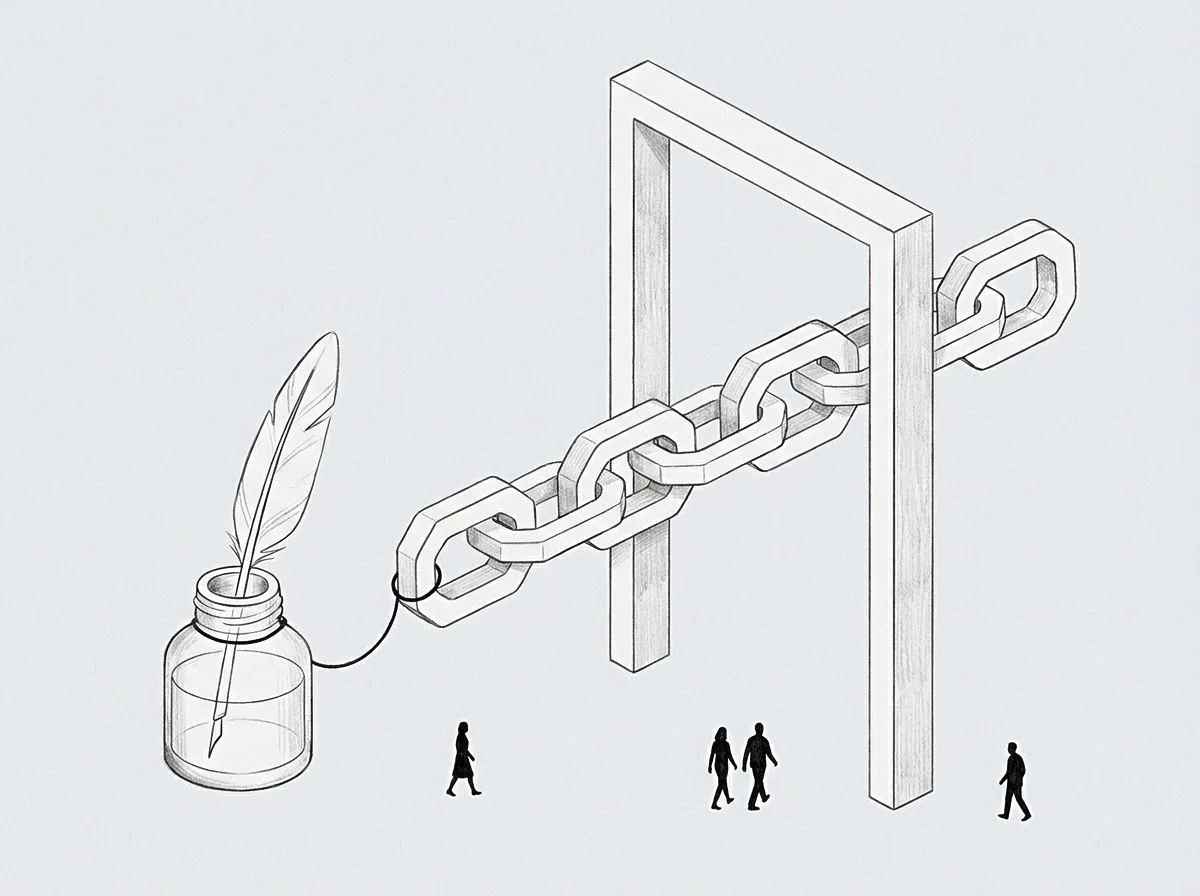
Distribution of ownership shares in a start-up occurs gradually to ensure that founders remain aligned with the firm’s long-term objectives. Through equity vesting, founders earn their stock over a multi-year period rather than receiving it all at the point of incorporation. This method aligns equity distribution with ongoing performance and tenure.
Ownership Accrual
Gradual ownership creates a strong incentive for early participants to remain with the business during its first difficult years. When equity vesting is tied to a standard four-year schedule, it protects the firm from losing shares to a founder who departs early. A one-year cliff is standard, ensuring that brief stints do not dilute the capitalization table.
Retention Mechanism
The architecture of these agreements acts as a safeguard against premature departures. Since equity vesting delays full ownership, it discourages participants from leaving to start competing ventures or taking corporate roles. If a co-founder leaves after eighteen months, they keep only the portion that has accrued, returning the unvested balance to the company treasury.
Capital Protection
Vesting schedules protect the joint investment of all active parties against early abandonment. It provides a structured path for the venture to recruit replacement talent without undergoing dilutive recapitalization.