

Valuing Unquantified Early Engineering Hours during Formal Equity Restructuring Disputes
Early engineering hours rendered without terms convert into debt claims during restructuring unless explicit valuation models replace post-hoc equity demands.
Early engineering hours rendered without terms convert into debt claims during restructuring unless explicit valuation models replace post-hoc equity demands.

Dynamic risk multipliers scale cash and uncompensated labor by risk factors to allocate pre-seed equity accurately before institutional valuation.

Adjusting cofounder equity divisions requires pre-established contractual triggers, explicit milestone vesting, and board authority to repurchase unvested shares upon performance breaches.

Dynamic recapture clauses redistribute unvested sweat equity when actual founder contributions diverge from agreed early stage operational milestones.

Unstated debt obligations in technical pivots are resolved by converting implicit historical contributions into explicit formal equity or debt terms.

Restructuring early equity splits replaces fixed ownership allocations with contribution metrics to realign economic equity with ongoing operational output.

Governance triggers execute predetermined equity buybacks and dilution ratchets when a corporate partner fails to satisfy objective performance thresholds.

Institutional preferred liquidation preferences subordinate common stock, transforming unhedged sweat equity into an out-of-the-money call option.

Uncompensated operational leadership is restructured through corporate share repurchases, promissory notes, and newly vested equity grants at nominal valuation.

Convertible debt discounts lower share conversion prices, expanding noteholder equity claims and diluting unpriced early labor during venture recapitalizations.

Unspoken expectations act as covert liabilities that erode founder relationships, requiring explicit term construction to measure alignment and prevent breach.

Unstated psychological contracts in cofounder equity splits are resolved by auditing implicit expectations and formalizing milestone contingent vesting schedules.

Dynamic recapitalization realigns private equity holdings by linking equity ownership directly to ongoing operational contribution through contractual dynamic dilution mechanics.

Early stated terms convert implicit operational expectations into binding performance covenants, preventing unvoiced contribution claims from fracturing equity.
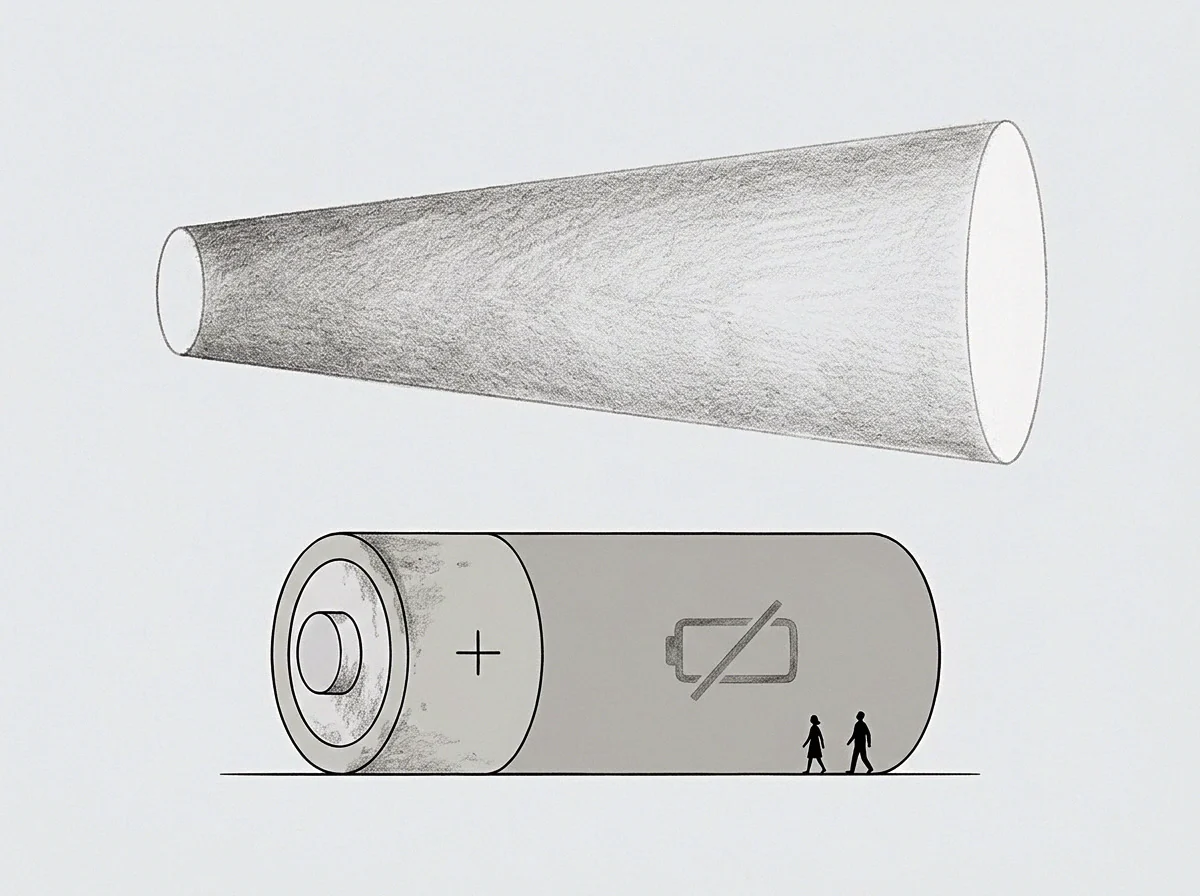
Long-term governance viability requires separating economic equity from voting control when operational contributions permanently diverge between founders.

Converting informal cofounder contributions into formal executive positions creates relational friction when historical unpriced equity conflicts with operational compensation.
The terms are written where they belong. Each field holds three desks, and every entry a desk writes raises the terms it uses, each term given a meaning, a mechanism and the places it appears. The record on these pages stays first person and hand made; the fields grow the nomenclature.